
There is a loose convention across manufacturers for designating the type of reference that a pressure sensing device has, which can be confusing if you are unfamiliar with specifying this often overlooked but critical specification parameter.
To help identify the reference of a particular pressure range found on a product label or technical data sheet a list of abbreviated suffixes is provided below.
Vented Gauge Reference Pressure Range
Measuring pressure with reference to atmospheric pressure, also referred to as Relative and Vented Gauge:
- g
- G
- rel
- REL
- vg
- VG
Featured vented gauge reference related products
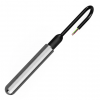 High-accuracy sea level monitoring for high-salinity marine environments - Robust hydrostatic solution for sea level monitoring in high-salinity environments using marine bronze and ceramic sensing technology r with high-frequency data sampling.
- Tidal level measurement with SDI-12 interface seawater level sensor - Marine bronze submersible sensor for accurate tidal level measurement with SDI-12 for seamless integration with existing data acquisition and transceiver systems in coastal environment
Sealed Gauge Reference Pressure Range
Not vented to atmospheric pressure, but instead the reference is fixed to 1 bar.
- sg
- SG
Featured sealed gauge reference related products
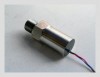 Sonde OEM water depth sensor for 300m deep borehole - We are looking to integrate a pressure sensor into the bottom of a Sonde. The sensor will be used to monitor the water depth in a borehole up to a maximum of 300m.
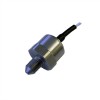 Custom pressure sensor for mining haul truck suspension hydraulics - Measuring high-pressure suspension hydraulics on heavy mining trucks with a custom-engineered pressure transducer which solved challenges of vibration, contamination, and a non-standard process connection.
Absolute Reference Pressure Range
Referenced to absolute zero pressure or a perfect vacuum
- a
- A
- abs
- ABS
Featured absolute reference related products
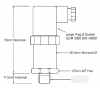 Manufacturing automation absolute pressure sensor with 100psia range and 0-10Vdc out - This absolute pressure sensor offers precise and reliable pressure measurement for pneumatic systems. With its 0-10Vdc output, it seamlessly integrates with industrial control systems.
 60 psi / 4 bar Low Pressure Calibration Pump – ADT912 - Set precise calibration air pressures from 95% vacuum up to 4 bar / 60 psi.
Differential Pressure Range
The difference in pressure at point B compared to the pressure at point A.
- d
- D
- diff
- DIFF
- dp
- DP
Featured differential pressure related products
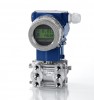 Solvent compatible +/-100mWG dp transmitter with PTFE seals - Differential pressure transmitters to use on Nitrogen and/or air containing low levels of flammable solvents.
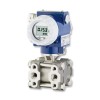 Biogas HDPE cover PD blower pressure sensor - The XMD is a low range process pressure transmitter with an all stainless steel 316L wetted parts suitable for measuring the pressure of a biogas inflated HDPE cover to control a positive displacement pump.
On product marking labels or any document that includes a description of the pressure range, the reference type is included after the pressure unit type e.g. 15 psi abs or 15 psia.
Related Help Guides
- Measuring vacuum with negative gauge or absolute ranges
- What is the difference between gauge and absolute pressure measurement
- Not reading zero when pressure is vented to atmosphere
- What does negative and positive gauge pressure mean
- Measuring negative pressure using a positive differential pressure range
- What is the difference between sealed gauge and vented gauge reference?
- Can you measure vacuum using a gauge pressure range
- Can you have a minus 20 psi gauge vacuum measurement range
- How do you choose the correct pressure range for a pressure sensor
- Simulating 8000 foot altitude with a pressure gauge
- Using an Absolute Sensor to Measure Gauge Reference Pressure
- Converting non-vented depth readings & barometric pressure to true depth
- Using Sealed Gauge Reference Pressure Sensing Devices
- Output signal orientation for a negative gauge pressure range
Related Technical Terms
- Gauge Reference Pressure
- MSL – Mean Sea Level
- Negative Gauge Pressure
- Reference Pressure
- SG – Sealed Gauge
- Vented Cable
- Vented Gauge
Contact us about this What does the suffix a, abs, d, dp and diff, g, rel and sg mean after the pressure units in a pressure range? page to request more information, or to discuss your application requirements.