
Often you will see a measurement of vacuum pressure described as an absolute pressure reading, so is there any difference between the two?
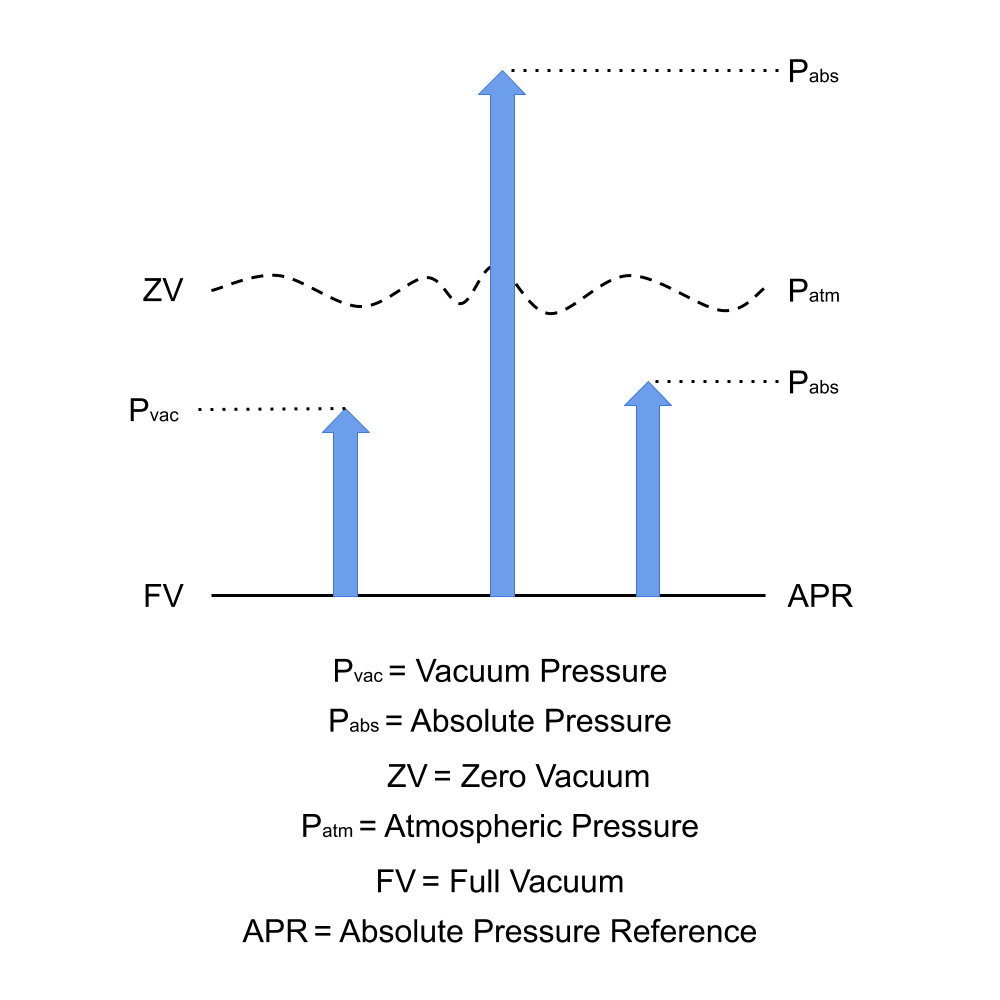
A vacuum pressure is one that is lower than the ambient environment surrounding pressure, and is typically measured relative to a perfect vacuum or full vacuum.
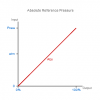
Since the reference pressure is not relative to another pressure and does not change, it is called the absolute reference or absolute pressure reference.
Featured vacuum measurement products
 Negative 30 inHg vacuum gauge with 0-10V output - Dual-function vacuum gauge with digital display and 0-10V output for industrial process control and monitoring.
 High reading rate for measuring dynamic pressures to -200psf - DMP320 which has a high sampling rate of 10 kHz so you will easily resolve the dynamic change characteristic over 0 to -200 psf within the 8sec window.
Any pressure measured relative to a full vacuum, whether above or below the surrounding ambient air pressure, is called an absolute pressure.
A vacuum pressure can always be measured and defined as an absolute pressure, but an absolute pressure can also be used to define pressures outside the vacuum range.
Featured absolute pressure measurement products
 BMS water tank 6mH2Og range 0-10V out submersible level sensor for commercial buildings - This submersible level sensor provides accurate and reliable water level measurement in BMS applications in commercial office buildings, with a 0 to 6 mH2O gauge pressure range and a 0 to 10V output signal.
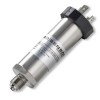 DMP333i Rangeable High Pressure Precision Transducer - High performance transducer with adjustable scaling for modifying the pressure range for different applications. Ranges from 0-60 bar up to 0-600 bar.
Related Help Guides
- Measuring vacuum with negative gauge or absolute ranges
- Measuring liquid level in a sealed tank with a hydrostatic pressure sensor
- What is the difference between gauge and absolute pressure measurement
- What does negative and positive gauge pressure mean
- Measuring negative pressure using a positive differential pressure range
- Measuring vacuum as a negative gauge pressure using a dp sensor
Related Technical Terms
Related Online Tools
Related Product and Application Guides

Related Application Questions and Answers
- Ex rated ambient pressure sensor with 800-1100 mbar range
- 20 bar absolute steam pressure transducer
- Vacuum drying pressure data logger
- Low range vacuum pressure logger for 0 to -60 inH2O g
- 180 degC pressure sensor for saturated steam up to 10 bar
- High reading rate for measuring dynamic pressures to -200psf
- 1013 to 1400 mbar barometric pressure transmitter & readout
- Using 25 mbar DP sensor on vacuum below 0.2 bar absolute
- Measuring steam pressure up to 10bar with analog/digital output
- Wind turbine USB PC logging pressure & temperature sensor
- Hydrophone array submersible 200 meter seawater depth sensor
- Gas sensors testing barometric pressure sensor with RS485 Modbus RTU interface
Contact us about this What is the difference between vacuum and absolute pressure page to request more information, or to discuss your application requirements.