
Submersible pressure transmitters offer reliable and accurate measurements in challenging underwater environments. With 4-20mA current loop output and IP68 ratings, these robust sensors excel in monitoring liquid level, water depth, and pressure in submerged applications. Choose from vented models with atmospheric compensation for barometric fluctuations or non-vented options for absolute pressure measurements in isolated systems.
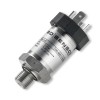 DMK457 Marine Approved Pressure Transmitter - Marine approved pressure transmitter with 4-20mA current loop output for shipbuilding with optional CuNiFe housing for sea-water compatibility
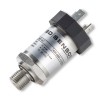 DMP457 Marine Approved Pressure Transmitter - Marine approved stainless steel diaphragm pressure transmitter with 4-20mA current loop output for shipbuilding in ranges from 100mb to 600 bar gauge or absolute.
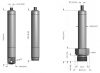 LMK 487 Submersible Ballast Tank and Draught Level Pressure Transmitter - A 22mm diameter titanium body seawater depth and level probe with a 4-20mA output with Lloyds and DNV-GL ship approval, for monitoring the quantity of ballast or the draft of a ship’s hull.
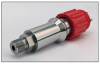 SSPT Subsea Wet-Mateable Electrical Connector Pressure Sensor - This stainless steel ceramic sensing diaphragm based subsea connector pressure sensor provides a unamplified ratiometric millivolt output or an amplified analogue output signal corresponding to ranges from 0…1 bar (14.50 psi) up to 400 bar ( 5800 psi).
- Marine air lubrication system submersible seawater resistant air pressure transmitter
- Detecting water intake blockage on submerged reservoir intake screen using two sensors
- Monitoring high-pressure seawater pumps on merchant vessels with submersible pressure transmitters
- Submersible sensor for measuring sludge pressure in pipe
- Fresh water compatible submersible 1mH2O range 4-20mA output pressure sensor
- Hygienic atex approved 100mbar pressure transmitter for pharmaceutical application
Send us your enquiry to discuss your Submersible Pressure Transmitters application with a product specialist, and they will help you select the best option to suit your specific requirements.
Submersible pressure transmitters are purpose-built for continuous operation in submerged conditions, enabling accurate and reliable measurements in various underwater applications. These sensors feature a rugged design and IP68 rating, ensuring protection against water ingress and long-term durability in harsh environments.
With their 4-20mA current loop output, submersible pressure transmitters seamlessly integrate into existing industrial control and monitoring systems. This standard output signal provides compatibility with a wide range of data acquisition and automation equipment, simplifying installation and setup.
Submersible pressure transmitters play a vital role in monitoring and controlling underwater processes. Their watertight construction, high reliability, and compatibility with industrial control systems make them indispensable for a wide range of applications. Whether you need to measure liquid level, water depth, or pressure in submerged equipment, a submersible pressure transmitter is the ideal solution for your underwater measurement needs.
Product Advantages
Submersible pressure transmitters provide a suite of technical benefits designed to overcome the rigors of underwater environments. These advantages range from their mechanical resilience and environmental sealing to their standardized electrical interfaces, making them the preferred choice for mission-critical hydraulic and hydrological monitoring.
Rugged Construction
Built to withstand the physical stresses of harsh underwater environments, these sensors typically utilize stainless steel or specialized alloy housings. This robust mechanical design protects sensitive internal electronics from high external pressures and potential physical impacts in moving water or industrial tanks.
IP68 Rating
The IP68 rating ensures that the device is completely dust-tight and protected against the effects of long-term immersion under pressure. This hermetic sealing is critical for preventing water ingress into the sensor body or cable assembly, which is the most common cause of failure in submerged instrumentation.
4-20mA Current Loop Output
The 4-20mA standard provides exceptional noise immunity and allows for long cable runs without signal degradation. This compatibility with industrial control systems and PLCs simplifies the integration process, ensuring that depth and pressure data can be transmitted reliably over hundreds of meters.
Wide Range of Measurement Ranges
These transmitters are available in a diverse array of pressure ranges, from shallow water level monitoring of a few meters to high-pressure deep-sea applications. This versatility allows engineers to select a sensor perfectly scaled to their specific operational requirements, maximizing resolution and sensitivity.
High Accuracy and Stability
Utilizing advanced sensing elements, these transmitters deliver precise measurements with minimal thermal drift or hysteresis. High accuracy is essential for applications such as custody transfer or precision hydrological modeling where even small deviations in depth data can lead to significant errors.
Long-Term Durability
Designed for “fit and forget” installations, submersible transmitters require minimal maintenance and recalibration. Their durability reduces the total cost of ownership by extending service life and minimizing the need for expensive underwater retrieval and maintenance operations.
Product Applications
Submersible pressure transmitters are versatile, robust, and reliable instruments essential for critical data collection across diverse sectors, including water management, marine science, and industrial processing. By providing precise, real-time measurements in challenging underwater environments, these sensors support critical operational decisions, enhance safety, and drive efficiency in complex fluid-based systems.
Liquid Level Monitoring
These sensors enable continuous, highly accurate measurement of water and various liquid levels in tanks, reservoirs, and wells. By providing reliable data on storage capacity, they allow for better resource management, early detection of supply shortages, and efficient automated pump control, ensuring that levels remain within safe and operational parameters.
Water Depth Measurement
Ideal for hydrological studies, environmental research, and navigational safety, these transmitters monitor precise water depth in rivers, lakes, and ocean environments. This data is critical for flood forecasting, managing coastal infrastructure, supporting maritime logistics, and conducting ongoing scientific analysis of changing water bodies.
Submerged Equipment Monitoring
These devices provide vital pressure monitoring for underwater infrastructure such as pipelines, pumps, valves, and structural supports. By ensuring these critical components operate within defined pressure limits, the sensors help prevent catastrophic failure, identify maintenance needs early, and maintain optimal performance across underwater networks.
Environmental Monitoring
Beyond basic measurements, these transmitters are pivotal for comprehensive environmental observation. They track river and lake health, provide long-term data on groundwater level fluctuations, and assist in assessing the broader impact of climate change on natural water cycles, offering essential insights for ecological preservation and sustainability planning.
Marine Research
Designed for the rigors of ocean exploration, these sensors measure depth and pressure for deep-sea scientific studies. Their reliability in harsh saline conditions allows researchers to collect high-fidelity data, supporting studies on ocean currents, pressure gradients, and the physical characteristics of previously inaccessible underwater environments.
Industrial Automation
These transmitters are core components in complex industrial automation, managing flow and storage in water treatment plants, chemical processing facilities, and oil and gas operations. Their specialized submersible design provides a critical safeguard against flooding or accidental water ingress, ensuring the sensors continue to operate reliably even when subjected to adverse environmental conditions or total submersion. By enabling precise, real-time control over pumps, valves, and reservoir levels, they optimize industrial processes, improve safety, and significantly reduce operational downtime.
Product Selection
Selecting the appropriate submersible pressure transmitter is essential for ensuring operational efficiency and long-term reliability. By carefully evaluating specific technical criteria—such as measurement range, accuracy requirements, signal compatibility, material suitability, and environmental exposures—engineers can optimize their instrumentation for the unique demands of each submerged application.
Measurement Range
Selecting the correct pressure range is fundamental to sensor performance. Users should choose a device that encompasses the full span of expected operational levels, including any potential surges or fluctuations, while ensuring the range is tight enough to provide maximum sensitivity and resolution. An appropriately scaled sensor avoids over-ranging and ensures high-fidelity data capture for the application.
Reference Pressure
Submersible pressure transmitters are available in vented and non-vented configurations to suit different measurement requirements:
- Vented Transmitters: These sensors feature an atmospheric vent that allows for automatic compensation of barometric pressure changes. They are ideal for applications where fluctuations in atmospheric pressure can affect the accuracy of measurements.
- Non-Vented Transmitters: These sensors provide absolute pressure measurements without the need for an air-tube connection to the surface. They are suitable for applications where access to the surface is restricted or impossible, such as in deep-sea environments or isolated systems.
Accuracy Requirements
Accuracy requirements depend heavily on the criticality of the measurement. For applications involving custody transfer, precise hydrological modeling, or stringent industrial control, high-accuracy sensors with minimal thermal drift and hysteresis are paramount. Clearly defining the required accuracy helps in selecting a device that prevents significant data errors and maintains system integrity over the long term.
Output Signal Compatibility
The electrical interface must be fully compatible with the existing data acquisition or automation infrastructure. While the 4-20mA current loop is the standard for long cable runs and high noise immunity, engineers should confirm whether their control systems, PLCs, or data loggers require this, or perhaps a digital interface, to ensure seamless integration and reliable data transmission.
Material Compatibility
The sensor’s wetted parts, including the housing, diaphragm, and cable material, must be chemically compatible with the target liquid. Whether monitoring benign freshwater or harsh, chemically treated industrial effluent or saltwater, selecting the right materials—such as 316L stainless steel, Hastelloy, or specialized polymers—is critical to preventing corrosion, degradation, and eventual sensor failure.
Environmental Conditions
Beyond the fluid itself, the broader environmental conditions must be evaluated. This includes considerations for fluid temperature extremes, potential for icing, external pressure loads in deep-water scenarios, and the risk of biological fouling or sediment buildup. A thorough assessment of these factors ensures that the chosen transmitter is robust enough to maintain performance despite the specific stressors of the deployment environment.