
4-20mA water level transmitters using two-wire loop power. Ideal for wells, tanks, rivers & reservoirs with excellent noise immunity & long cable runs. Designed for reliable integration with PLCs & SCADA in water management applications.
Water level transmitters equipped with a 4-20mA current loop output provide a dependable solution for integrating level measurements into industrial control and monitoring systems. These devices commonly utilize submersible hydrostatic pressure sensors and feature a two-wire design that simplifies installation by transmitting power and signal over the same pair of wires, offering excellent noise immunity crucial for long-distance transmission from locations like boreholes, rivers, reservoirs, and storage tanks. Understanding the specific design features, such as vented gauge pressure reference and material compatibility, is key to selecting the appropriate transmitter for reliable performance in diverse water level applications.
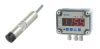 Underground rain water storage tank level sensor and readout for 2 metre depth - Water level indicator for a 2 metre deep rain water storage tank located underground.
 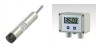 200m deep well pump water level sensor, switch & display - Protect your deep well pump with thhis submersible level transmitter and wall mounted indicator and alarm. This system provides reliable water level monitoring and pump protection at depths of up to 200 meters.
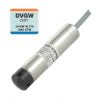 LMP307 Submersible Level Transmitter
 18.605 G Low Cost Submersible Diesel Fuel and Water Tank Level Sensor
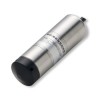 LMK382 Low Range IP68 Waste Water Level Transmitter
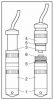 LMP 308 Removable Waterproof Cable Connection Water Level Sensor
- Flood prevention in underground pump rooms using 4-20ma hydrostatic level sensors - Prevent pump room flooding by integrating a low-range submersible hydrostatic level sensor into a VFD for early leak detection and automated system protection.
- Monitoring flood levels in underground electrical substations with submersible probes - The LMK 382 provides reliable depth monitoring in underground electrical substations, featuring intrinsic safety and integrated Pt100 temperature sensing for harsh flood environments.
- Geothermal weir box flow measurement using low range capacitive level sensor - Measure water discharge flow rates in geothermal applications using a capacitive ceramic level transmitter designed for shallow weir boxes and waste water.
- Hydropower reservoir submersible hydrostatic level transmitter & indicator - Submersible hydrostatic level transmitter with a range of 0 – 25 metres for installing outdoors and a digital indicator for installing indoors.
- Water tank level gauge transmitter with adjustable range - We are looking for level measurement gauge transmitters for water tanks used for domestic water and fire water in a hotel.
- Potable water underground 10ft dia storage tank temperature and level sensor - measure the level and temperature of potable water in an underground water storage tank with a 10 ft diameter and a horizontal orientation.
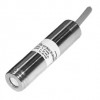 LMK307 Submersible Waste Water Level Sensor
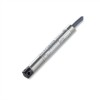 LMK306 Ground Water Level Transmitter
- LMP307T Submersible Level and Temperature Transmitter
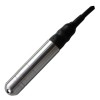 IWSL Potable Water Submersible Level Sensor
- 3m range 4-20mA output submersible hot water tank level sensor - This submersible level sensor is suitable for use in hot water tanks. It features a 4-20mA output, 0-3m measurement range, and high-temperature resistance up to 125°C (257°F).
- Borewell water level sensor for 100m water height - Low cost solution to measuring the water level in a borewell with a water height of as much as 100 metres above the submerged sensor
- Water temperature depth sensor for cooling tower sump - I would like to drop a sensor into a stilling chamber and measure the water depth along with the water temperature if possible.
- Water well level monitoring in 3/4″ dia sounding tube to 300ft - Need to do long term monitoring of water levels in water production wells through 3/4 inch sounding tubes
- Dairy wash water tank submersible level sensor for temperature up to 100C and 2m high tank - Monitor wash water levels in high-temperature dairy applications with the LMK382 submersible level sensor, featuring 125°C temperature rating and durable construction.
- Storm surge protected low range submersible river level transmitter - This submersible level transmitter offers accurate low range water level monitoring with high overpressure resistance for storm surge protection in rivers
- Cooling tower basin water level transmitter
- High temperature mini sewage tank level sensor
- Dock bridge tidal flap submersible level transmitter with sea water compatibility
- Yacht diesel fuel and water level sensor for non-uniform shaped marine tanks
- Surface water hydrostatic level sensor for shallow stream
- Remote water tank level monitoring via GSM mobile network
- Rainwater harvesting depth sensor for 1 metre deep tank
- 40 ftH2O Hydroelectric plant tailwater elevation & temperature sensor
Find out more about Water Level Transmitters with 4-20mA Output to determine which product options and capabilities will best meet your application requirements.
Water level transmitters utilising the industry-standard 4 to 20 milliamp (4-20mA) current loop output offer a robust and reliable method for level measurement in various water-based applications. This two-wire configuration is particularly advantageous, allowing both the power required to operate the transmitter and the analogue level signal to be carried over the same pair of conductors. This significantly simplifies wiring installation and reduces costs, especially over the long cable runs often encountered in borehole, reservoir, or extensive facility monitoring.
The inherent nature of the 4-20mA signal provides excellent noise immunity compared to voltage signals, making it ideal for environments with potential electromagnetic interference often found in industrial settings or near pumps and motors. The ‘live zero’ represented by the 4mA signal allows monitoring systems (like PLCs, SCADA, or dedicated controllers) to easily distinguish between a genuine zero-level reading (4mA) and a fault condition, such as a broken wire or transmitter failure (which would result in 0mA).
These transmitters typically employ a submersible hydrostatic pressure sensor design. The sensor, housed within a rugged, sealed enclosure (often stainless steel grades like 316L for corrosion resistance), measures the pressure exerted by the column of water directly above it. This pressure reading is directly proportional to the water level. Accurate measurement relies on referencing the hydrostatic pressure to the local atmospheric pressure; this is achieved using a vented cable that incorporates a small breathing tube running alongside the electrical conductors, terminating in a protected, breathable location, usually at the instrumentation end. This vented gauge pressure measurement automatically compensates for barometric pressure fluctuations, ensuring true level readings.
Specific construction details are crucial depending on the application. For instance, monitoring levels in deep groundwater wells or boreholes necessitates transmitters with durable, abrasion-resistant cable jacketing (like PUR) and potentially narrower body diameters. Measuring levels in potable water storage tanks requires materials certified for drinking water contact (e.g., specific stainless steel grades, PE or FEP cables). River and reservoir level monitoring often demands robust designs capable of handling potential debris, sediment, and outdoor environmental exposure, typically requiring a high IP rating like IP68 for continuous submersion.
Integration into process control systems is straightforward due to the widespread compatibility of the 4-20mA signal. These transmitters are commonly connected to input modules on PLCs, dedicated digital panel meters for local display, data loggers for environmental monitoring, or telemetry systems for remote water resource management. The signal can represent the full calibrated range of the transmitter, allowing precise tracking of water levels within tanks for process control, monitoring resources in reservoirs for water management, or triggering alarms in flood monitoring systems. For applications in hazardous areas, such as certain wastewater tanks or industrial sumps, intrinsically safe (Ex ia) versions are available which limit the electrical energy to prevent ignition in potentially explosive atmospheres.
Product Help
Specifying water level transmitter with 4-20mA output requirements
Some questions to ask when defining the product requirements for a water level transmitter with 4-20mA output.
Installation type
How do you want to install the water level transmitter, will it be mounted to the outside of a water tank, lowered inside a water tank, or suspended from a platform above the water surface?
Water type
What kind of water will you be measuring, freshwater, seawater, drinking water, chlorinated water or wastewater?
Level range
What range of water level in metres or feet do you need to measure over?
If measuring a water tank, is the tank air tight or vented to outside air pressure?
Accuracy
How accurate does the water level measurement need to be?
Will it be used to determine the quantity of water, or to protect from overfill or underfill?
Electrical connection
Do you have a preference on what type of electrical connector and 4-20mA signal cable to use?
Will the water level transmitter be exposed to an indoor or outdoor environment?
Could the water level transmitter be temporarily flooded or will it be permanent submerged?
If a cable is required, how long does it need to be to connect to the water level measurement instrumentation?
Process connection
If the water level transmitter is going to be external to a tank, how do you intend to mount the sensor if it is going to be fitted to the outside of a tank, what type and size of thread or flange?
Temperature measurement
Would you like to measure the water temperature as well with a separate 4-20mA signal from the same transmitter?
Checklist for water level transmitter with 4-20mA output requirements
Define your water level transmitter with 4-20mA output requirements using this checklist:
- Installation type?
- Water type?
- Level range?
- Accuracy?
- Electrical connection?
- Process connection?
- Temperature measurement?