
Freshwater submersible sensors and instruments are specifically designed to monitor various parameters within clean, potable, or raw freshwater environments. These rugged devices are built to withstand continuous immersion in water, providing accurate and reliable data for applications such as environmental monitoring, water resource management, and process control in water treatment facilities.
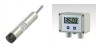 200m deep well pump water level sensor, switch & display - Protect your deep well pump with thhis submersible level transmitter and wall mounted indicator and alarm. This system provides reliable water level monitoring and pump protection at depths of up to 200 meters.
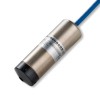 Fuel and freshwater level sensor with adjustable hydrostatic range for small vessel tanks - A marine-approved hydrostatic sensor designed for fuel and freshwater tanks up to 1.6 meters, featuring a high-purity ceramic diaphragm and field-adjustable HART communication for precise shipboard level monitoring.
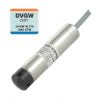 LMP307 Submersible Level Transmitter
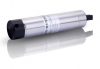 DCL 531 Modbus RTU RS 485 Submersible Stainless Steel Liquid Level Sensor
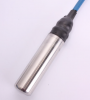 STT-26 Submersible Temperature Probe and Transmitter
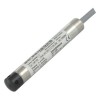 LMP305 Borehole Level Transmitter
- Dual level and temperature monitoring in hotel water treatment tanks - Single submersible probe provides simultaneous water level and temperature monitoring with dual 4-20mA outputs for a hotel's water treatment system.
- Groundwater heat pump well monitoring using dual-parameter level and temperature probes - Dual-output 4-20mA solutions for monitoring aquifer levels and source water temperatures in open-loop geothermal systems requiring long cable runs.
- Hydropower reservoir submersible hydrostatic level transmitter & indicator - Submersible hydrostatic level transmitter with a range of 0 – 25 metres for installing outdoors and a digital indicator for installing indoors.
- Borehole drawdown low voltage power supply 25m depth sensor - Low powered submersible level sensor with a 25 metre depth range, for use with a arduino controller to manage borehole drawdown and protect pump.
- Dairy farm water management using wireless ethernet gateway with submersible level sensors - Discover a robust solution for monitoring water levels in remote underground tanks. Learn how submersible sensors and a wireless-to-Ethernet gateway can overcome power and distance challenges in agricultural settings.
- Detecting water intake blockage on submerged reservoir intake screen using two sensors - Discover a robust solution for measuring head loss and detecting ice blockages on remote water intake screens. Learn how dual submersible pressure transmitters with 4-20mA outputs overcome long-distance signal transmission challenges in reservoir monitoring.
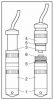 LMP 308 Removable Waterproof Cable Connection Water Level Sensor
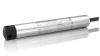 DCL 571 RS485 Modbus RTU Submersible 22mm dia Groundwater & Wastewater Level Probe
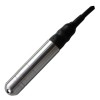 S12S SDI-12 Coms IP68 Pressure and Temperature Sensor
- IMSL IP68 Stainless Steel 316L Hydrostatic Pressure Sensor
- Modbus RTU RS485 submersible borehole water level sensor - Easy-to-integrate digital water level sensor with Modbus RTU protocol. Ideal for remote monitoring and data acquisition in boreholes.
- Robust hydrostatic level sensing in aerial firefighting water tanks - Facing reliability issues with fragile vented sensor cables? See how a ceramic diaphragm level transmitter with a heavy-duty cable provided a durable solution for measuring water and retardant levels.
- Low power fast response differential pressure sensing for IoT water network logging - Monitoring water pressure in utility networks with low-power IoT data loggers with a fast-response, IP68 submersible sensor to meet critical power consumption and potable water compatibility requirements.
- Yacht diesel fuel and water level sensor for non-uniform shaped marine tanks - Submersible level sensors for irregularly shaped fresh water, grey water, black water, and fuel oil tanks on a classic sailing yacht.
- Low powered pond water 20ft depth sensor for wireless system - Submersible pressure sensor ideal for wireless pond depth monitoring systems with long cable runs. Features low power consumption and amplified output for reliable data transmission.
- Retention pond submersible water level sensor with a 20 feet deep range - Monitor water levels in retention ponds with the LMP307 submersible level sensor. Accurate, reliable, and built for harsh environments.
- LMP307T Submersible Level and Temperature Transmitter
- IWSL Potable Water Submersible Level Sensor
- IMSTL IP68 Water Temperature and Depth Transmitter
- Evaporation pan SDI-12 environmental data interface water level sensor
- Underground rainwater collection tank level transmitter with 2.5m range and 4-20mA output for BMS integration
- Rainwater harvesting depth sensor for 1 metre deep tank
- Lightning protected submersible level sensor for hydroelectric intakes and rivers
- Irrigation water channel and storage dam SDI-12 submersible level sensor with 10m range
- Aquaculture submersible freshwater level & temperature transmitter
- 40 ftH2O Hydroelectric plant tailwater elevation & temperature sensor
- Utility water system OEM freshwater level transmitter for 3 metre / 10 foot depth range
- Zone 0 ATEX borehole water level sensor for flammable atmospheres
- Submersible water level and temperature probe with SDI-12/USB interface for freshwater monitoring
Find out more about Freshwater Submersible Sensor and Instrument Probes to determine which product options and capabilities will best meet your application requirements.
Submersible sensors are engineered to withstand prolonged immersion in water, making them ideal for monitoring various parameters within freshwater systems. These sensors are typically housed in durable, corrosion-resistant materials like stainless steel or titanium to ensure long-term performance in challenging underwater conditions.
Freshwater Submersible Sensor Types
Temperature Sensors: Temperature plays a crucial role in aquatic ecosystems and various industrial processes. Submersible temperature sensors provide accurate temperature measurements in freshwater environments, enabling researchers and engineers to monitor water quality, assess thermal pollution, and control processes in water treatment and industrial applications.
Pressure Sensors: These sensors measure the pressure exerted by the water column, providing valuable data for applications such as groundwater monitoring, leak detection, and water level measurement in tanks and reservoirs.
Level Sensors: Level sensors directly measure the height of the water column, offering precise monitoring of water levels in rivers, lakes, and storage tanks. This data is essential for water resource management, flood forecasting, and ensuring the efficient operation of water treatment facilities.
Applications
- Environmental monitoring: Scientists and researchers utilize submersible sensors to monitor the health of freshwater ecosystems, track pollution levels, and assess the impact of human activities on water resources. These sensors provide critical data for conservation efforts and sustainable water management practices.
- Water Resource Management: Effective water resource management relies on accurate data about water availability, usage, and quality. Submersible sensors provide real-time information on water levels, pressure, and temperature, enabling authorities to make informed decisions regarding water allocation, irrigation, and flood control.
- Water and Wastewater Treatment: Submersible sensors play a vital role in water treatment processes, ensuring the delivery of safe and clean drinking water. These sensors monitor water levels in tanks and reservoirs, control pressure in filtration systems, and measure temperature for optimal disinfection and purification.
- Borehole monitoring: Submersible sensors are used to monitor groundwater levels and quality in boreholes, providing valuable data for sustainable groundwater management.
- Reservoir management: Monitoring water levels, temperature, and quality in reservoirs is essential for optimizing water storage, managing flood risks, and ensuring the availability of water for various purposes.
- Irrigation systems: Submersible sensors can be integrated into irrigation systems to monitor water levels and soil moisture, enabling efficient water use and optimizing crop yields.
- Aquaculture: Maintaining optimal water quality is crucial for successful aquaculture operations. Submersible sensors help monitor parameters such as DO, temperature, and pH, ensuring the health and growth of aquatic species.
- Industrial Processes: Various industrial processes rely on freshwater, and submersible sensors help monitor and control these processes efficiently. In manufacturing plants, these sensors can monitor water levels in cooling systems, ensuring optimal operating temperatures and preventing equipment damage. In the food and beverage industry, submersible sensors help maintain water quality and temperature during production processes, ensuring product safety and consistency.