
Flush diaphragm pressure transmitters offer a specialized solution for pressure measurement in challenging applications involving viscous media, substances requiring hygienic compatibility, or environments prone to clogging. Their exposed diaphragm design prevents media buildup, ensuring accurate readings and minimizing maintenance.
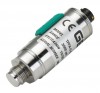 TPFADA Flush Diaphragm Pressure Transmitter - Flush diaphragm pressure transmitter for high viscosity media in food processing and plastic injection moulding applications.
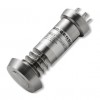 DMP331P Hygienic Flush Pressure Transmitter - Sanitary pressure sensor wth exposed diaphragm with no crevices for high temperatures up to 300 Degrees Celsius in ranges from 100mb up to 40 bar gauge or absolute
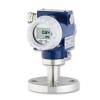 XMPi Process Plant Gauge and Absolute Pressure Transmitter - Process transmitter for measuring vacuum, steam, food, pharmaceutical, oil, gas and other pressure readings necessary for the monitoring and control of bulk production processes.
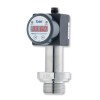 DS200P Sanitary Low Range Pressure Gauge, Switch and Sensor - All in one electronic switch, gauge and sensor designed specifically for use in the food, drink and biomedical industry for measuring process pressures.
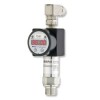 DS201P High Range Flush Pressure Gauge, Switch and Sensor - High pressure sensor, electronic switch and digital gauge with an all welded stainless steel flush diaphragm for high viscosity liquids.
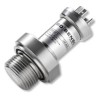 DMK331P Flush Diaphragm Pressure Sensor - Screw-in pressure transmitter with flush stainless steel 316L diaphragm for measuring pressures of fluids with very high viscosity from 900 up to 6000 psi
- Diaphragm sealed high temperature pressure transmitter for -1 to 25 kg/cm²
- Waste toner dust extraction vacuum transmitter with 1000 mbar range
- Powder filter blockage monitoring pressure transmitter
- Submersible sensor for measuring sludge pressure in pipe
- G1/2 flush 60 psig pressure transmitter for thick liquids in Ex zones
- 5000 psi g flush all stainless steel 316L pressure transmitter
Send us your enquiry to discuss your Flush Diaphragm Pressure Transmitters application with a product specialist, and they will help you select the best option to suit your specific requirements.
Flush diaphragm pressure transmitters are uniquely designed to tackle the challenges posed by viscous fluids and stringent sanitary requirements. Unlike traditional pressure transmitters with recessed diaphragms, these devices feature an exposed diaphragm that sits flush with the process connection. This eliminates internal cavities where viscous media could accumulate and clog, leading to inaccurate readings or even sensor failure.
The direct contact between the diaphragm and the process fluid also allows for superior hygienic compatibility. There are no hidden crevices or dead spaces where contaminants can harbor, making these transmitters ideal for industries such as food and beverage, pharmaceuticals, and biotechnology, where cleanliness is paramount.
Flush diaphragm pressure transmitters offer a reliable and hygienic solution for pressure measurement in demanding applications. Their unique design and construction overcome the challenges posed by viscous media and stringent sanitary requirements, ensuring accurate and uninterrupted process control.
Product Advantages
Flush diaphragm pressure transmitters provide significant operational benefits, particularly for demanding industrial and hygienic environments. By utilizing an exposed diaphragm design, these devices overcome common measurement limitations, offering improved reliability, simplified maintenance, and greater installation flexibility across a broad spectrum of critical applications.
Uninterrupted Measurement of Viscous Media
Flush diaphragm pressure transmitters excel in challenging applications that involve high-viscosity fluids, such as plastics, paper pulp, bitumen, sewage, paint, and various adhesives. Because the diaphragm is exposed and sits directly flush with the process connection, there are no internal cavities or crevices for thick substances to accumulate or harden, ensuring that the sensor provides continuous, uninterrupted, and highly accurate pressure readings even in the most demanding process environments.
Enhanced Hygienic Compatibility
Maintaining stringent sanitary standards is vital in industries like food and beverage, pharmaceuticals, and biotechnology. These transmitters are specifically engineered to eliminate dead spaces and hidden crevices where contaminants or residual materials could potentially harbor, significantly reducing the risk of product contamination. This design ensures superior hygienic compatibility, facilitating easier cleaning and helping companies consistently meet complex regulatory compliance requirements.
Reduced Maintenance
The self-cleaning nature of the flush diaphragm design is a major advantage for operational efficiency. By preventing the buildup of media, these transmitters require far less frequent manual cleaning, intervention, or unplanned maintenance than traditional recessed designs. This not only minimizes equipment downtime but also lowers overall long-term maintenance costs and operational effort in difficult process applications.
Versatile Installation Options
These transmitters offer exceptional flexibility to suit diverse plant layouts and existing infrastructure. They are compatible with a wide array of process connection types—including screw-in, tri-clamp, dairy, and flange mounts—allowing engineers to easily integrate the technology into virtually any type of piping, vessel, or tank system without the need for significant, costly modifications.
Wide Application Range
The robust construction and specialized design of flush diaphragm pressure transmitters make them an ideal choice across a diverse range of critical industries. From managing pressure in food and beverage pipelines and pharmaceutical bioreactors to monitoring wastewater sludge and reactive chemical processes, these devices provide a versatile, reliable, and hygienic pressure measurement solution that adapts effectively to various operational requirements.
Product Applications
Flush diaphragm pressure transmitters are engineered for exceptional versatility, serving as a critical component across a wide array of demanding industrial environments. Their ability to provide accurate measurement where traditional sensors fail makes them indispensable in sectors ranging from sanitary food production to heavy-duty chemical processing. By eliminating the vulnerabilities associated with recessed diaphragms, these transmitters ensure process integrity and operational continuity in the most challenging conditions.
Food and Beverage Processing
In the food and beverage industry, monitoring pressure in pipelines and tanks containing viscous products like sauces, syrups, and pastes requires a design that prevents media buildup. The flush diaphragm eliminates internal cavities where food particles could stagnate and spoil. This design is specifically beneficial for maintaining hygiene and ensuring that the equipment is easy to clean using standard CIP (Clean-In-Place) processes, thereby preventing batch contamination and meeting strict food safety regulations.
Pharmaceutical Manufacturing
Pharmaceutical manufacturing demands absolute sterility and precision when handling liquids, gels, and creams. Flush diaphragm transmitters are ideal here because their smooth, exposed surface lacks the dead spaces found in traditional sensors where bacteria could harbor. This design ensures superior hygienic compatibility and facilitates thorough sterilization, providing reliable pressure control without compromising the integrity of sensitive pharmaceutical formulations.
Biotechnology
Biotechnology applications, such as measuring pressure in bioreactors and fermenters, involve sensitive biological materials and cell cultures. The flush diaphragm design is advantageous because it prevents the accumulation of organic matter that could interfere with delicate biological reactions. The ease of cleaning and the robust sanitary design ensure that the environment remains uncontaminated, allowing for consistent and repeatable results in high-stakes biotech research and production.
Wastewater Treatment
Wastewater treatment plants frequently transport sludge and other viscous waste products that would quickly clog a standard pressure port. Flush diaphragm transmitters excel in these environments because the exposed sensor face resists the adhesion of thick, fibrous, or particulate-heavy media. This significantly reduces the need for manual intervention and cleaning, ensuring that pumps and pipelines can be monitored continuously without the risk of sensor-induced downtime.
Chemical Processing
In chemical processing, transmitters must handle corrosive, reactive, or highly viscous chemicals in reactors and vessels. The flush diaphragm design is specifically beneficial as it allows for the use of specialized, corrosion-resistant materials on a flat surface that is easy to inspect and maintain. By preventing media buildup and hardening on the sensor face, these transmitters provide durable and accurate performance even when exposed to the most aggressive and challenging chemical substances.
Product Selection
Selecting the optimal flush diaphragm pressure transmitter is a critical step in ensuring long-term operational reliability and measurement precision. By carefully evaluating key technical specifications against your specific process requirements, such as media characteristics, pressure limits, and environmental conditions, you can select a device that not only performs accurately but also integrates seamlessly into your existing infrastructure while minimizing future maintenance requirements.
Media Compatibility
It is essential to ensure that the diaphragm and all wetted parts are fully compatible with the process fluid. Corrosive or chemically aggressive media can degrade standard materials, leading to premature failure or inaccurate readings. Selecting the correct material, such as high-grade stainless steel or specialized alloys, protects the sensor integrity, prevents corrosion, and significantly extends the operational lifespan of the transmitter, even in harsh chemical environments.
Pressure Range
Choosing a transmitter with an appropriate pressure range is fundamental to both accuracy and safety. The selected range should comfortably cover your expected operating pressures without being excessively high, which can reduce measurement sensitivity, or too low, which risks over-pressure damage. Ideally, the process operating pressure should fall within the middle of the transmitter’s calibrated range to ensure the highest level of precision and to protect the sensor from potential pressure spikes.
Process Connection
The process connection must be carefully matched to your existing piping and vessel infrastructure to ensure a secure, leak-free installation. Whether your system requires screw-in, tri-clamp, dairy, or flange mounts, choosing the right connection type simplifies integration and prevents installation delays. A proper fit is also vital for maintaining the hygienic integrity of the system, ensuring that there are no gaps where media can collect or where contamination could occur.
Output Signal
Most industrial applications rely on a 4-20mA current loop output, which is the industry standard for robust, long-distance signal transmission. This output is ideal for integrating directly with PLCs, SCADA systems, and other control equipment because it is highly resistant to electrical noise and interference. When selecting your transmitter, confirm that the output signal is fully compatible with your existing control architecture to ensure reliable data transmission and seamless system communication.
Environmental Considerations
Beyond the process fluid itself, the external operating environment plays a major role in transmitter longevity. You must consider factors such as extreme ambient temperatures, high humidity, vibration levels, and exposure to daily washdowns or hazardous chemicals. Selecting a transmitter with the appropriate ingress protection (IP) rating and robust housing materials ensures that the internal electronics are shielded from external contaminants, keeping your system operational even in the most demanding industrial or outdoor environments.