
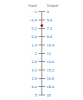
Bidirectional is typically used to indicate that a particular parameter such as an electrical signal or measurement range will generate values in both the positive and the negative direction.
For example a sensor which has a -10 mbar to + 10 mbar gauge pressure range with a 0 to 10 Vdc output is said to have a bidirectional pressure range.
Related Technical Terms
- Absolute Pressure
- Barometric Pressure
- Burst Pressure
- Compound Pressure Ranges
- Differential Pressure
- FS – Full Scale
- Gauge Reference Pressure
- Hydrostatic Pressure
- Negative Gauge Pressure
- Overpressure Protection
- Rangeable
- Reference Pressure
- SG – Sealed Gauge
- Static Line Pressure
- Suction Pressure
- Vacuum
- Vented Gauge
Related Product and Application Guides

Related Help Guides
- Measuring vacuum with negative gauge or absolute ranges
- Determining the hydrostatic pressure range for a tank level sensor
- What is the difference between gauge and absolute pressure measurement
- What is the difference between vacuum and absolute pressure
- What does negative and positive gauge pressure mean
- Measuring negative pressure using a positive differential pressure range