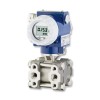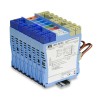
Transmitter (Tx) is a device which converts a sensor output into an analogue signal suitable for sending over long distances without significant signal loss or interference.
A common type of sensor transmitter signal is a 4 to 20 milliamp current loop output.
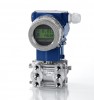
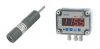
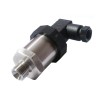
Featured 4 to 20 ma current loop signal measurement products

Related Technical Terms
- 2 Wire
- 3 Wire
- 4 to 20 mA Current Loop Output Signal
- 4 Wire
- Amplified Voltage Output
- BFSG – Bonded Foil Strain Gauge
- Deadband
- FSO – Full Scale Output
- HART®
- Intrinsic Safety
- mV/V – Millivolts per Volt Output Signal
- NC – Normally Closed
- NO – Normally Open
- Piezoresistive Strain Gauges
- Rangeable
- Ratiometric
- Span
- Span Offset
- Span Sensitivity
- Square Root Extraction
- Threshold
- Totalizer
- Transducer
- TSL – Terminal Straight Line
- TSS – Thermal Span or Sensitivity Shift
- Turndown Ratio
- USB
- Vented Cable
- Wheatstone Bridge Strain Gauge
- Zero Offset
- Zero Tare