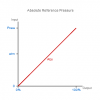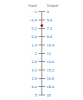
Sealed Gauge (SG) is a type of reference pressure measured relative to a fixed approximation of atmospheric pressure by sealing ambient air pressure on the reference side of a pressure sensing device during manufacture.
A preferred method of creating a sealed gauge reference is to seal a high vacuum on the reference side and subtract a 1 bar pressure offset from the measurement output.

Also see gauge reference pressure.
Featured sealed gauge reference pressure measurement products
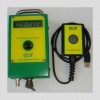 Event triggered high sampling rate pressure logger - This pressure logger can record for months at time at a slow logging rate, and when a predefined event threshold is exceeded it will record pressure at a much faster rate.
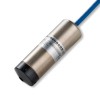 Absolute Unvented Reference Hydrostatic Liquid Level Sensors - Absolute unvented reference hydrostatic level sensors provide reliable liquid level measurement in challenging environments where traditional vented sensors are impractical.
Glossary of Pressure Reference technical terms
- Gauge Reference Pressure
- MSL – Mean Sea Level
- Negative Gauge Pressure
- Reference Pressure
- Vented Cable
- Vented Gauge
Help from Pressure Reference resources
- Measuring vacuum with negative gauge or absolute ranges
- What is the difference between gauge and absolute pressure measurement
- Not reading zero when pressure is vented to atmosphere
- What does negative and positive gauge pressure mean
- Measuring negative pressure using a positive differential pressure range