
Measure extreme hydraulic pressures with our robust, voltage-output (0-5V, 0-10V) transducers. Designed for actuators, presses, & pumps. Ideal for demanding applications in automotive, aviation, and material testing.
Our high-pressure hydraulic transducers with analog voltage output are engineered for precise and reliable pressure measurement in the most demanding industrial and research applications. Constructed from robust stainless steel, these sensors are built to withstand extreme pressures and corrosive fluids, making them ideal for monitoring hydraulic actuators, presses, pumps, valves, elevators, and material testing equipment. The analog voltage output ensures seamless integration with a wide range of data acquisition and control systems, providing critical real-time data for process optimization and safety.
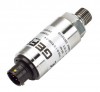 TPSA Precision High Pressure Transducer - High pressure transducer for pressure testing applications with pressure ranges from 0...4 bar (60 psi) up to 0...1000 bar (15,000 psi) gauge with a measurement accuracy of 0.1%.
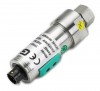 TPHADA Ultra High Range Pressure Sensor - Extra high pressure transmitter with 4-20mA current loop or amplified voltage output signal in pressure ranges from 1000 up to 5000 bar gauge.
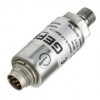 TPSADA Digital Auto-Zero High Pressure Sensor - Contactless zero tare & span adjustment high pressure transmitter with 4-20mA current loop or amplified voltage output signal in pressure ranges from 50 bar up to 1000 bar gauge.
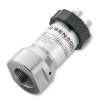 DMP334 Hydraulic Pressure Transducer for Very High Pressures - DMP 334 is a high range pressure transducer designed for measuring hydraulic pressures up to 2200 bar (32,000 psi) .
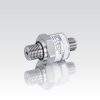 17.620 G Low Cost Heavy Duty Compact OEM Hydraulic Pressure Sensor - Compact robust all welded stainless steel pressure sensor for heavy duty hydraulic system applications.
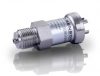 DMP 335 All Welded Stainless Steel Diaphragm Pressure Sensor - All welded stainless steel diaphragm pressure sensor for mobile hydraulics, refrigeration or oxygen applications. This pressure sensor is available in the ranges from 6 bar up to 600 bar gauge with a 4-20mA or 0-10Vdc output signal.
- 60000 psi hydraulic pressure transducer with 0-5Vdc signal out
- Brake line pressure sensor to measure up to 4000 psi g with 0-10Vdc signal
- Custom pressure sensor for mining haul truck suspension hydraulics
- 200 bar pressure sensor to interface with Arduino board
- 500 psi g Hydraulic pressure transducer with 0 to 10 volts signal output
- Automotive brake system 2500 psig range 0-5Vdc output synthetic hydraulic oil pressure sensor
Send us your enquiry to discuss your Hydraulic Analog Voltage Signal Pressure Transducers application with a product specialist, and they will help you select the best option to suit your specific requirements.
These hydraulic pressure transducers are specifically engineered to provide precise pressure measurements within high-pressure hydraulic systems, utilizing an analog voltage output signal. The voltage output is typically linear and proportional to the applied hydraulic pressure, allowing for straightforward integration with data acquisition systems, PLCs, and display instrumentation. The selection of specific voltage output ranges, such as 0-5Vdc or 0-10Vdc, is often determined by the compatibility requirements of the downstream monitoring or control equipment.
Crucially, these transducers are designed to endure extreme pressures, often exceeding several thousand psi, frequently encountered in demanding hydraulic applications. The robust construction, commonly utilizing specialized high-yield strength stainless steel alloys such as 17-4 PH or 15-5 PH, contributes to the sensor’s ability to withstand significant pressure spikes and cyclical loading, crucial for reliability in dynamic hydraulic systems.
The choice of stainless steel also extends to the wetted parts, ensuring compatibility with a wide range of hydraulic fluids, including those with aggressive chemical properties, such as those found in the automotive and aviation industries. The sensor’s diaphragm design, often incorporating a thicker, more rigid diaphragm than lower-pressure counterparts, contributes to its overpressure resistance and ability to resist damage from pressure transients.
Product Advantages
Hydraulic pressure transducers with analog voltage outputs provide essential performance benefits for high-demand actuator and press systems. By combining continuous high-precision signal output with exceptionally durable construction, these sensors enable real-time control, robust overpressure protection, and long-term operating stability across severe industrial environments.
Seamless Integration and Real-Time Signal Processing
The direct, proportional analog voltage signal (such as 0-5Vdc or 0-10Vdc) allows for high-speed, continuous data transmission to PLCs and control systems without complex signal translation. This ensures immediate responsiveness when regulating force, speed, and positioning in fast-acting hydraulic actuators.
High Overpressure & Spike Resistance
Constructed with high-yield strength stainless steel alloys and specialized diaphragm structures, these transducers are built to withstand severe pressure transients and cyclical shock loads typical in heavy-duty hydraulic presses and high-force pump systems.
Corrosion Resistance and Media Compatibility
All-welded wetted stainless steel parts ensure long-term integrity and reliability when operating with synthetic hydraulic oils, aggressive fluids, or demanding environmental conditions found in industrial manufacturing and testing rigs.
Product Applications
Hydraulic pressure transducers with analog voltage output play a critical role across a variety of demanding heavy-duty industrial applications. By providing continuous, highly accurate pressure measurements in high-stress and fluid-corrosive environments, these sensors enable precise operational control, safeguard system components, and optimize performance in actuators, presses, pumps, valves, elevators, and material testing systems.
Hydraulic Actuators
Continuous analog voltage feedback enables precise real-time control of position, force, and movement speed in dynamic linear and rotary actuators.
Hydraulic Presses
Delivers vital pressure monitoring for automated process control and overload safety interlocks during high-tonnage stamping, forming, and compression operations.
Hydraulic Pumps
Monitors pump discharge pressure to optimize hydraulic system efficiency and provide early detection of potential failures such as cavitation, clogging, or fluid starvation.
Hydraulic Valves
Provides continuous feedback on system and pilot control pressures, supporting precise fluid regulation and system responsiveness under high-flow conditions.
Hydraulic Elevators
Ensures smooth, safe, and controlled lifting and lowering cycles by constantly measuring hydraulic line pressure under varying payload conditions.
Material Testing Equipment
Provides accurate, highly dependable force measurement data during high-stress tensile, compression, and fatigue testing on specialized hydraulic test rigs.
Product Selection
Selecting the right hydraulic pressure transducer with an analog voltage output for actuators and presses requires careful evaluation of key application parameters. Considering pressure range, output signal type, media compatibility, required accuracy, and environmental conditions ensures optimal sensor performance, system safety, and seamless control integration.
Pressure Range and Pressure Type
Determine the maximum operating pressure of the hydraulic system, including expected dynamic pressure spikes or transients during actuator actuation or press operations. Choose a sensor range that accommodates normal working pressures comfortably within 50% to 80% of its full scale to ensure accuracy while maintaining sufficient proof and burst pressure ratings for overload protection.
Output Signal Compatibility
Select an analog voltage output scale (e.g., 0-5Vdc, 0-10Vdc, or 1-5Vdc) that directly matches the input requirements of your PLC, controller, or data acquisition hardware. Ensure the supply voltage available on site meets the transducer’s input power requirement and consider cable run length to avoid voltage drop issues.
Wetted Parts and Media Compatibility
Verify that the wetted materials, such as 17-4 PH or 316L stainless steel, are fully compatible with the specific hydraulic fluid used (e.g., mineral oils, synthetic fluids, or water-glycol mixtures). All-welded diaphragm designs are recommended for high-pressure or aggressive fluid applications to prevent seal degradation and leaks.
Accuracy Requirements
Evaluate the required measurement precision for your application. Standard industrial applications may require non-linearity errors within ±0.5% span, whereas precision material testing rigs or high-accuracy press monitoring may necessitate accuracy of ±0.1% or better across the operating temperature range.
Electrical Connection and Environmental Protection
Identify the environmental exposure of the installation site, including ambient temperature variations, shock, vibration, and moisture exposure. Choose appropriate ingress protection (such as IP65, IP67, or IP68) and reliable electrical connector types (e.g., M12x1, DIN 43650, or integral shielded cable) to safeguard signal integrity in harsh industrial environments.
Product Installation
Proper installation of hydraulic pressure transducers with analog voltage outputs is critical for achieving accurate pressure measurements, maintaining fast system response, and ensuring long-term reliability in high-stress actuator and press applications. Key steps include selecting appropriate mechanical port connections, ensuring correct seal materials, implementing proper electrical wiring and grounding, avoiding severe thermal or mechanical stress, and performing initial zero-point verification prior to full system operation.
Mechanical Mounting & Port Connection
Mount the transducer securely using appropriate thread types (such as G1/4, 1/4 NPT, or high-pressure autoclave connections) matched to your hydraulic port specifications. Ensure correct torque specs are applied during installation to prevent thread damage or leakage, and use compatible sealing rings or bonded seals suitable for high hydraulic pressures.
Electrical Wiring & Shielding
Connect the analog voltage output (e.g., 0-5Vdc or 0-10Vdc) using high-quality shielded cabling to prevent electromagnetic interference (EMI) from nearby heavy machinery, electric motors, or press solenoids. Ensure the cable shield is properly grounded at the controller side to maintain signal integrity over distance.
Pressure Pulsation & Shock Protection
In high-dynamic applications such as rapid press cycling or switching hydraulic valves, install snubber fittings, pressure restrictors, or pulse dampeners to protect the sensor diaphragm from damaging water hammer and extreme pressure transients.
Zero-Point Calibration & Commissioning
Before fully pressurizing the system, verify the baseline voltage signal at zero applied pressure. Perform zero tare adjustments if supported by the sensor or control system software to offset mounting stress and ensure accurate initial readings.
Product Troubleshooting
Troubleshooting hydraulic pressure transducers with analog voltage output involves systematically evaluating common fault modes such as zero offset shifts, erratic output signals, missing output signals, and non-linear readings. Below is a detailed guide to diagnosing and resolving these common operational issues to restore accurate measurement and maintain reliable control in actuator and press systems.
Zero-Point Offset Shift or Drift
If the sensor indicates a voltage output higher or lower than the expected baseline at zero applied pressure, check for mechanical over-torquing during installation, severe fluid temperature fluctuations, or residual system pressure. Verify zero tare settings, allow the system to reach thermal equilibrium, and ensure port strain is minimized.
Noisy or Erratic Signal Output
Fluctuating or noisy voltage readings are typically caused by electromagnetic interference (EMI) from nearby motors, solenoids, or variable frequency drives. Ensure proper cable shielding grounded at the controller side, inspect wiring connections for loose terminals, and verify that signal lines are routed away from high-voltage power lines.
Missing or Constant Low Voltage Signal
A constant 0V or out-of-range low reading suggests an open circuit, incorrect input power voltage, or damaged sensor electronics caused by extreme pressure spikes. Check power supply voltage at the transducer terminals, verify wiring polarity, and inspect the diaphragm for physical damage or clogging.
Non-Linear or Clamped Signal at High Pressures
If output voltage flattens before reaching full scale or displays non-linear response, inspect the pressure port for fluid contamination, particulate buildup, or entrapped air bubbles. Ensure the supply voltage provides adequate headroom for the full-scale output (e.g., sufficient excitation voltage for 0-10Vdc signals) and clean the port carefully if obstructed.