
Brackish water hydrostatic level sensors are specifically designed for continuous submersion in coastal and estuarine environments where fresh and saltwater mix. These sensors feature robust housings made from corrosion-resistant metal alloys to withstand the harsh conditions of brackish water. They provide accurate depth and level measurements in various applications, including tidal monitoring, coastal erosion studies, and estuarine ecosystem research.
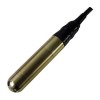 SDI-12 submersible tide level gauge for harbour navigational safety - Monitor coastal sea levels and harbor depths with a low-power digital interface sensor built to withstand abrasive silts and corrosion in demanding littoral zones.
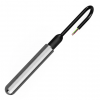 High-accuracy sea level monitoring for high-salinity marine environments - Robust hydrostatic solution for sea level monitoring in high-salinity environments using marine bronze and ceramic sensing technology r with high-frequency data sampling.
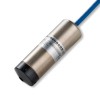 LMK458 Marine Approved Hydrostatic Level Transmitter
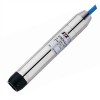 ATM/N Titanium Submersible Hydrostatic Pressure Transmitter
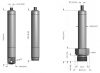 LMK 487 Submersible Ballast Tank and Draught Level Pressure Transmitter
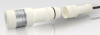 LMK 858 Plastic Submersible Liquid Level Sensor with Removable Cable
- Tidal level measurement with SDI-12 interface seawater level sensor - Marine bronze submersible sensor for accurate tidal level measurement with SDI-12 for seamless integration with existing data acquisition and transceiver systems in coastal environment
- Dockside sea water tide level transmitter up to 6 metres depth - Pressure transmitter for measuring depth of tide in a dock from 0 to 6 metres of seawater.
- 1-5Vdc output, 2.5m range, salt water ballast tank level sensor - We want a 1-5Vdc output submersible pressure sensor which is seawater compatible to monitor the level of a salt water ballast tank over a range of 0 to 2.5 metres.
- Hydrophone array submersible 200 meter seawater depth sensor - Submersible pressure sensor which can be connected at the end of our hydrophone cable to measure the water depth.
- Abstraction pump protection using a screw-on hydrostatic level transmitter in a tidal river - Learn about the deployment of a 4-20mA screw-on hydrostatic level sensor for monitoring fluctuating seawater levels. Key aspects include the benefits of a fixed threaded mounting, diaphragm vulnerability without a nose cone, and protecting the atmospheric vent tube.
- Desalination plant feed tank submersible level sensor - Highly durable submersible level sensor designed for harsh desalination plant environments. Copper-nickel alloy housing and ceramic diaphragm ensure long-term reliability in aggressive saline conditions. 4-20mA output, 0-5mH2O range.
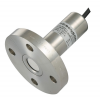 LMK457 Marine Approved Level Transmitter
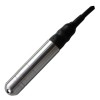 S12C SDI-12 Seawater Pressure & Temperature Transducer
- SWL Marine Bronze Submersible Level Sensor
- IMCTL Submersible Liquid Level and Temperature Transmitter
- Floating dry dock ballast tank 14ft range 4-20mA output submersible seawater level sensor - 14ft range submersible level sensor for monitoring the level of seawater in floating dry dock ballast tanks.
- Seawater depth sensor with I2C output for aquaculture underwater camera integration - Compact OEM customised I²C pressure sensor with an Acetyl (Delrin) body and ceramic diaphragm providing a corrosion-proof solution for measuring depth in a subsea camera used for aquaculture.
- Low power tide gauge sensor for remote seawater level monitoring - Measuring tidal sea level in remote, off-grid locations with a marine bronze submersible transmitter with a vented gauge reference and low-power voltage output providing a reliable, corrosion-resistant solution.
- Dock bridge tidal flap submersible level transmitter with sea water compatibility - Marine bronze submersible level transmitter for reliable depth measurement in dock bridge applications with tidal flaps.
- Underwater 50 metre sea depth 4-20mA output sensor - All titanium underwater sensor for measuring seawater depth with a measurement range of 0 to 50 metres providing a 4 to 20 mA output signal.
- Seawater intake channel submersible level sensor with 5m range and 4-20mA output - Marine bronze level sensor with a submersible construction for reliable performance in challenging seawater intake channels.
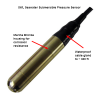 Seawater Hydrostatic Liquid Level Sensors - Submersible hydrostatic level sensors designed for long-term immersion in seawater, engineered with corrosion-resistant materials to withstand harsh coastal and offshore environments.
Find out more about Brackish Water Hydrostatic Liquid Level Sensors to determine which product options and capabilities will best meet your application requirements.
Brackish water, a combination of fresh and saltwater found in estuaries and coastal areas, presents unique challenges for liquid level measurement. The fluctuating salinity, the presence of suspended solids, and the potential for marine growth can all affect the accuracy and longevity of sensors. To address these challenges, specialized brackish water hydrostatic level sensors have been developed.
A key feature of these sensors is their construction from corrosion-resistant metal alloys. These alloys are specifically chosen for their ability to withstand the harsh chemical environment of brackish water, ensuring long-term reliability and performance. Commonly used materials include:
- Titanium: Offers excellent corrosion resistance and high strength-to-weight ratio.
- Copper-Nickel Alloy: A copper-based alloy with superior resistance to saltwater corrosion and biofouling.
- Duplex Stainless Steels: Combines the properties of austenitic and ferritic stainless steels, offering enhanced corrosion resistance and strength.
These sensors utilize the hydrostatic pressure principle to determine the water level. The sensor measures the pressure exerted by the water column above it, which is directly proportional to the depth. This pressure is then converted into a level measurement using a calibrated pressure transducer.
Brackish water hydrostatic level sensors find applications in a variety of settings, including:
- Tidal Monitoring: Tracking water level fluctuations in coastal areas for navigation, research, and flood prediction.
- Coastal Erosion Studies: Monitoring changes in shoreline and seabed levels to assess erosion rates and implement mitigation strategies.
- Estuarine Ecosystem Research: Measuring water depth and salinity gradients in estuaries to understand ecological processes and manage water resources.
- Saltwater Intrusion Monitoring: Detecting the movement of saltwater into freshwater aquifers, which can impact drinking water supplies and agricultural irrigation.