
Ensure safety and precision in hazardous areas with our selection of IECEx certified pressure transmitters. These certified instruments are engineered to mitigate ignition risks, making them ideal for applications in environments where flammable gases are present, such as petrochemical plants and natural gas pipelines.
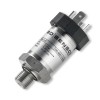 DMK457 Marine Approved Pressure Transmitter - Marine approved pressure transmitter with 4-20mA current loop output for shipbuilding with optional CuNiFe housing for sea-water compatibility
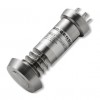 DMP331P Hygienic Flush Pressure Transmitter - Sanitary pressure sensor wth exposed diaphragm with no crevices for high temperatures up to 300 Degrees Celsius in ranges from 100mb up to 40 bar gauge or absolute
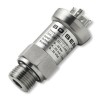 DMP331 Precision Pressure Transmitter - Stainless steel pressure transmitter with ranges from 100mbar up to 40 bar gauge or absolute. Special options for ATEX , SIL2 and compound ranges.
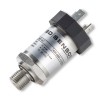 DMP457 Marine Approved Pressure Transmitter - Marine approved stainless steel diaphragm pressure transmitter with 4-20mA current loop output for shipbuilding in ranges from 100mb to 600 bar gauge or absolute.
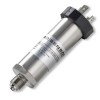 DMP333i Rangeable High Pressure Precision Transducer - High performance transducer with adjustable scaling for modifying the pressure range for different applications. Ranges from 0-60 bar up to 0-600 bar.
- DMP331i High Accuracy Pressure Transmitter - High precision pressure transmitter with an accuracy of 0.1%FS BSL NLHR and digitally adjustable pressure ranges from 400mb up to 40 bar gauge & absolute.
- Powder filter blockage monitoring pressure transmitter
- Barometric range 800-1100mb IECEx approved intrinsically safe pressure transmitter
- 6,000 psig ATEX/IECEx IS approved 4-20mA pressure sensor for oil pumping use
Send us your enquiry to discuss your IECEx Certified Pressure Transmitters application with a product specialist, and they will help you select the best option to suit your specific requirements.
Pressure transmitters are essential tools for monitoring and controlling industrial processes, however, in environments with the presence of flammable gases, the stakes are raised. Traditional pressure transmitters can become potential ignition sources, posing a severe risk to personnel and infrastructure. This is where IECEx certified pressure transmitters play a pivotal role.
IECEx, or the International Electrotechnical Commission System for Certification to Standards Relating to Equipment for Use in Explosive Atmospheres, is a globally recognized certification scheme that assures the safety of electrical and electronic equipment intended for use in explosive atmospheres. When selecting a pressure transmitter for hazardous areas, the IECEx certification mark signifies that the device has been rigorously tested and evaluated to meet stringent safety standards.
These specialized pressure transmitters are designed with specific safety features to prevent the generation of sparks or excessive heat that could ignite flammable gases. They employ various protection methods, such as intrinsic safety, flameproof enclosures, or encapsulation, to ensure that they remain safe even in the presence of explosive atmospheres.
These devices provide a reliable and safe means of monitoring critical processes in hazardous environments, helping to safeguard personnel, assets, and the environment.
Product Advantages
IECEx certified pressure transmitters provide essential benefits for hazardous environments, combining rigorous safety standards with high-performance operational capabilities. These instruments ensure that industrial processes remain both productive and secure by prioritizing ignition prevention, reliable measurement, and streamlined global regulatory compliance, which reduces the complexity of international deployment.
Global Regulatory Acceptance
IECEx provides a single, unified certification framework that is accepted across many international markets. Unlike regional approvals such as ATEX, FM, or CSA, which often require separate, redundant testing and documentation for each specific territory, a single IECEx certificate serves as a robust global benchmark. This streamlined approach minimizes administrative complexity and testing costs for manufacturers and operators, facilitating faster deployment of equipment across multiple countries without the need for repetitive local certifications.
Certified Safety Compliance
These transmitters are rigorously tested and certified to international IECEx standards, providing verifiable assurance that they will not act as ignition sources in potentially explosive atmospheres. This compliance simplifies the regulatory approval process for facility operators and confirms that the equipment meets global safety benchmarks for hazardous zone installations.
Robust Protection Mechanisms
Engineered with specialized design techniques such as intrinsic safety, flameproof enclosures, or encapsulation, these devices effectively contain or prevent the generation of sparks and excessive heat. These built-in safeguards operate continuously to maintain process integrity, even when external conditions fluctuate or equipment is subjected to operational stress.
Reliable Process Monitoring
Despite the strict safety constraints, these transmitters maintain high levels of measurement accuracy and reliability essential for critical industrial control. They deliver precise pressure data required for maintaining safe operation levels, helping to prevent catastrophic events while allowing for the efficient optimization of pressure-dependent industrial workflows.
Versatile Environmental Resilience
Designed to function in harsh and volatile conditions, these instruments are built with durable materials that resist the chemical and physical challenges typical of petrochemical and oil and gas facilities. This high level of build quality ensures consistent, long-term performance and reduced maintenance needs in some of the most demanding operational environments globally.
Product Applications
IECEx certified pressure transmitters are critical components in industries where the presence of flammable gases poses a significant risk to safety and operational continuity. These instruments are specifically designed to provide high-fidelity monitoring in explosive atmospheres, ensuring that processes are controlled with the precision required to prevent hazardous incidents while maintaining optimal efficiency.
Petrochemical Refineries
Petrochemical refineries process vast quantities of highly flammable hydrocarbons under extreme conditions, making them exceptionally susceptible to fire and explosion hazards. In these complex environments, IECEx certified pressure transmitters serve as a vital line of defense, providing accurate, real-time monitoring of critical parameters like pressure, flow, and level across distillation columns, storage tanks, and reactor vessels. Their certified design ensures that electrical signals remain intrinsically safe or effectively contained, preventing ignition and allowing for the safe and stable operation of refinery infrastructure.
Natural Gas Distribution Pipelines
Natural gas distribution networks span extensive geographic regions, transporting volatile fuels through dense infrastructure to serve homes and industries. Any failure, leak, or pressure instability within this pipeline network could result in catastrophic consequences for public safety and infrastructure integrity. By deploying IECEx certified pressure transmitters, operators can achieve continuous, high-precision monitoring of line pressure, ensuring that values remain within strictly defined safe operating limits. These devices provide the reliable data needed to detect anomalies early, mitigate the risk of pipeline rupture, and maintain a secure transport environment.
Chemical Processing Plants
Chemical manufacturing facilities frequently handle volatile and hazardous substances that require precise regulation and monitoring to maintain safety. Within these plants, IECEx certified pressure transmitters are strategically integrated into process loops to monitor reactor pressures, storage tank levels, and pumping systems. By ensuring that all electronic measurement devices comply with global safety standards, chemical plants can effectively manage potential ignition risks without sacrificing the accuracy needed for high-quality chemical synthesis and process optimization.
Offshore Oil and Gas Platforms
Offshore oil and gas production platforms operate in exceptionally harsh and volatile conditions, where the combination of high-pressure extraction, remote locations, and the constant presence of flammable gases creates a high-risk environment. IECEx certified pressure transmitters are indispensable in this setting, utilized for critical tasks such as monitoring wellhead pressures, flow rates, and separator vessel levels. These ruggedized instruments ensure reliable, uninterrupted data acquisition in aggressive marine and explosive atmospheres, playing a key role in preventing well control issues and protecting personnel on the platform.
Product Selection
Selecting the optimal IECEx certified pressure transmitter is critical for ensuring both the safety of operations in hazardous environments and the long-term reliability of your measurement systems. By carefully evaluating key criteria, engineers can ensure that the selected device aligns perfectly with the unique challenges of their specific industrial process, regulatory environment, and control architecture.
Hazardous Area Classification
The foundational step in selecting any hazardous area instrument is identifying the specific zone classification (e.g., Zone 0, 1, or 2). This designation dictates the required level of protection—whether through intrinsic safety, flameproof containment, or encapsulation. Selecting a device with an inappropriate protection rating can not only pose significant safety risks but also lead to non-compliance with local regulations. Always cross-reference the site’s hazardous area drawings and safety standards to ensure the transmitter’s certification is suitable for the installation environment.
Process Conditions
Precision and longevity depend heavily on aligning the transmitter’s specifications with the operational environment. This involves a thorough review of the process media, including compatibility with the wetted parts to prevent corrosion or failure. Furthermore, understanding the operating temperature range and maximum process pressure is vital, as exceeding these limits can lead to signal drift, sensor damage, or mechanical failure. Evaluating these factors ensures that the selected sensor can maintain measurement integrity even under the most demanding process conditions.
Output Signal
The output signal determines how the pressure transmitter integrates into your control and data acquisition system. While the 4-20 mA analog signal is the industry standard for its simplicity and reliability, many modern instruments utilize the HART (Highway Addressable Remote Transducer) protocol. Rather than being a separate alternative, HART is a digital communication protocol that is overlaid directly on top of the standard 4-20 mA analog signal. HART-enabled transmitters allow for the standard analog process variable and advanced digital diagnostic or configuration data to be transmitted simultaneously over the same two wires. This dual-capability provides the benefits of real-time analog monitoring alongside the enhanced maintenance insights offered by digital communication.
Additional Features
Beyond core measurement capabilities, many transmitters offer advanced features that can significantly enhance operational efficiency. Features such as on-board diagnostics, remote calibration, and programmable damping can provide deeper insights into process health and simplify maintenance tasks. Evaluating whether these supplementary capabilities are required can help reduce downtime and optimize the long-term management of your instrumentation fleet.