
Low range differential pressure sensors for measuring very small pressure differences.
Low range differential pressure (DP) sensors are essential for accurately measuring very small pressure differences in a variety of critical applications. These highly sensitive sensors are designed to detect and respond to minute pressure variations, making them ideal for use in cleanrooms, HVAC systems, filter monitoring, and leak detection.
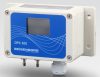 DPS300 User Switchable Pressure Range, Volts or Current Output Low DP Sensor - The DPS 300 is a low range HVAC differential pressure sensor. The lowest possible pressure range is 0...100 pascals. 2 or 3 switchable pressure ranges, plus volts or current output are included with most standard configurations.
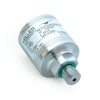 41X Low Range Digital Output Pressure Sensor - Low pressure sensor with a USB, RS232 or RS485 digital output interface for measuring low range gauge or differential pressures from 10 to 300 mbar.
- 41X High Precision Low Range Pressure Transmitter - High precision pressure transmitter for measuring very low vented gauge reference or differential air pressures. Rangeable 4-20mA or 0-10 volt output.
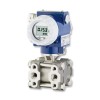 XMD Process Plant DP Cell Differential Pressure Transmitter - Rangeable DP Cell current loop process transmitter for monitoring differential pressures in a heavy duty process plant environment.
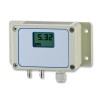 DPS200 HVAC Differential Pressure Transmitter - Differential air pressure sensor with a 10 volt or a 4-20mA output for building ventilation applications. Ranges from 0 to 6 mbar up to 0 to 1000 mbar.
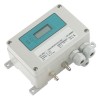 DPS Low Differential Pressure Transmitter - Ultra low differential pressure transmitter for HVAC applications with 4-20mA current loop or amplified voltage output signal in pressure ranges from 0.1 mb up to 1 bar differential.
- Bidirectional -50 to +50 Pa diff pressure transmitter with user calibration adjustment
- 100 Pa bi-directional range differential air pressure transmitter
- 20 pascal differential pressure transducer for clean rooms
- 10Pa diff range 0-20mA output air pressure sensor for automotive component testing
- 20 Pa DP range 0-10V output air pressure sensor for building management use
- Bi-directional low pressure sensing for yacht engine room ventilation control
- Low Differential Pressure Transmitters - Select highly sensitive low DP transmitters designed for critical applications like ventilation control, hospital isolation rooms, and laboratory environments. Features include 4-20mA signals, displays, and alarm contacts.
Send us your enquiry to discuss your Low Range DP Sensors application with a product specialist, and they will help you select the best option to suit your specific requirements.
Low range DP sensors play a crucial role in maintaining precise environmental conditions, ensuring process efficiency, and safeguarding equipment. Their ability to measure subtle pressure changes makes them invaluable in applications where even minor fluctuations can have significant consequences.
Product Advantages
Designed specifically for non-corrosive air and dry gas environments, low range differential pressure sensors offer significant economic and operational benefits. Replacing traditional analog setups with plug-and-play digital interfaces, lightweight housings, and intuitive pneumatic connections simplifies installation while ensuring exceptionally accurate measurement and reliable signal delivery across laboratory and industrial settings.
Cost-Effective Engineering
By focusing on dry, non-aggressive media, these units eliminate expensive components like fluid-filled capsules, dual isolation diaphragms, and specialized wetted alloys. This streamlined build lowers manufacturing complexity and overall cost compared to heavy-duty wet/wet differential pressure devices.
Lightweight, Compact Form Factor
Free from bulky metal flanges and heavy pressure containment chambers, these sensors maintain a minimal physical footprint and lightweight profile. Constructed with durable composite or plastic housings, they mount directly onto ductwork, control cabinets, or walls without needing heavy-duty mounting hardware.
Streamlined Pneumatic Hookups
Connections are quick and hassle-free via push-on barbed fittings suited for flexible silicone or plastic tubing. Unlike high-pressure liquid sensors requiring manifold blocks or NPT threads, these air connections reduce piping complexity and simplify ongoing servicing.
Exceptional Sensitivity & Measurement Precision
Utilizing specialized sensing diaphragms, these devices precisely track minute pressure changes and low-level fluctuations with high fidelity. Modern digital output options prevent signal degradation over long cable runs, guaranteeing dependable performance in demanding monitoring applications.
Product Applications
Low range differential pressure sensors are critical components across various specialized industries, enabling precise environmental control, system efficiency, and process safety. From maintaining stringent air purity in cleanrooms and optimizing HVAC performance to detecting minute system leaks and monitoring filtration efficiency, these versatile instruments provide the accurate measurement needed for demanding air and gas monitoring applications.
Cleanrooms
In cleanrooms, isolation wards, and pharmaceutical manufacturing facilities, maintaining precise differential pressure relative to adjacent areas is essential to prevent airborne contamination. Low range DP sensors continually monitor these minute positive or negative pressure gradients, ensuring controlled airflow direction so contaminants cannot enter sterile zones or escape containment environments.
HVAC Systems
These sensors optimize building automation and ventilation by accurately tracking pressure differentials across air handling units, supply ducts, and static pressure zones. By providing real-time data to control systems, they enable precise fan speed adjustments, maintain balanced airflow throughout complex ducting, and maximize overall energy efficiency while ensuring indoor air quality.
Filter Monitoring
Monitoring the pressure drop across air filtration media in medical, industrial, and commercial setups allows facility managers to assess filter loading in real time. Low range differential pressure sensors detect subtle increases in resistance as dust and particulate matter accumulate, triggering timely maintenance notifications before airflow drops or fan energy consumption escalates unnecessarily.
Leak Detection
Due to their extreme sensitivity, low DP sensors are widely utilized in pressure decay and differential enclosure testing to identify micro-leaks in sealed vessels, industrial piping, and protective housings. Measuring tiny pressure changes over fixed intervals ensures structural integrity and compliance with rigorous safety and quality standards.
Flow Measurement
By measuring the small differential pressure generated across primary flow elements—such as Pitot tubes, orifice plates, or Venturi tubes—low DP sensors enable accurate volumetric air and gas flow calculations. This technique is particularly advantageous in low-velocity duct applications where direct velocity measurement is difficult to achieve reliably.
Product Selection
Selecting the optimal low range differential pressure sensor requires carefully assessing your application’s fluid media, pressure dynamics, physical layout, and system accuracy needs. Considering factors like wet vs. dry compatibility, line pressure limits, thermal protection, and output scaling ensures reliable and accurate operation across HVAC, cleanroom, and industrial control environments.
Media Compatibility (Wet vs. Dry)
First, determine whether the media in contact with the sensor is air, non-corrosive gas, or liquid. Dry/dry sensors are lightweight and cost-effective for cleanroom and ventilation applications, whereas wet/wet or wet/dry configurations use isolated diaphragms to safely withstand fluids and higher line pressures.
Static Line Pressure & Over-Pressure
Check the maximum static line pressure of your process against the sensor’s rating. In systems with high line pressure relative to a small differential range, select sensors with built-in mechanical stops or high over-pressure protection to prevent calibration shift or diaphragm damage during zeroing and maintenance.
Thermal Effects & Environmental Conditions
Temperature fluctuations can cause thermal expansion in oil-filled sensor capsules, leading to zero-offset errors. For environments with wide operating temperature ranges, opt for dry-cell sensing technologies or transmitters with active thermal compensation to maintain high measurement fidelity.
Signal Output & Range Configuration
Choose an output signal compatible with your control system, such as 4-20mA, 0-10V, or digital interfaces (RS485, USB). For airflow and duct applications, bi-directional ranges (e.g., -50 to +50 Pa) or square root extraction outputs can be selected to simplify volumetric flow calculations and direct integration.