
Submersible freshwater depth sensors and level transmitters are essential tools for accurately measuring and monitoring hydrostatic water levels in various freshwater environments. These devices provide reliable depth readings in ponds, lakes, reservoirs, tanks, and boreholes, enabling efficient water management, environmental monitoring, and process control.
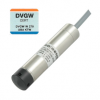 LMP307 Submersible Level Transmitter - Submersible level transmitter for measuring liquid level with a 4-20mA current loop or a 0-10V voltage output plus optional ATEX approval for intrinsically safe use in hazardous areas in ranges from 1mH2O up to 250mH2O. The LMP307 is suitable for use on potable water with no leaching, and can be supplied with a drinking water certificate according to DVGW and KTW.
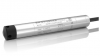 DCL 571 RS485 Modbus RTU Submersible 22mm dia Groundwater & Wastewater Level Probe - 22mm diameter digital interface submersible liquid level probe with RS 485 Modbus RTU protocol serial bus communications for installing in 1" diameter tubes to measure groundwater level and measuring wastewater with nose cone removed.
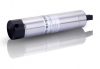 DCL 531 Modbus RTU RS 485 Submersible Stainless Steel Liquid Level Sensor - Digital submersible stainless steel liquid level sensor with a Modbus RTU protocol RS 485 serial bus interface.
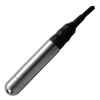 S12S SDI-12 Coms IP68 Pressure and Temperature Sensor - Combined pressure and temperature sensor with a 1200 baud rate serial data interface as defined by the SDI-12 support group.
- IWSL Potable Water Submersible Level Sensor - IP68 protect pressure sensor for monitoring potable water level to depths of 100 metres.
- IMSTL IP68 Water Temperature and Depth Transmitter - Stainless steel 316L waterproof probe for measuring both water temperature and depth and generating two separate 4-20mA current loop measurement signals.
- 200m deep well pump water level sensor, switch & display
- Borehole drawdown low voltage power supply 25m depth sensor
- Lightning protected submersible level sensor for hydroelectric intakes and rivers
- Zone 0 ATEX borehole water level sensor for flammable atmospheres
- 40 ftH2O Hydroelectric plant tailwater elevation & temperature sensor
- Submersible water level and temperature probe with SDI-12/USB interface for freshwater monitoring
Send us your enquiry to discuss your IP68 Freshwater Hydrostatic Liquid Level Sensors application with a product specialist, and they will help you select the best option to suit your specific requirements.
Submersible depth sensors and level transmitters are specifically designed to operate underwater, providing accurate and reliable water level measurements in freshwater environments. These sensors typically employ pressure-based measurement technology, where the hydrostatic pressure exerted by the water column is directly proportional to the water depth. By measuring this pressure, the sensor can determine the precise water level.
Product Advantages
Submersible freshwater hydrostatic level sensors offer a wide range of operational benefits designed to improve reliability, lower maintenance costs, and simplify integration into existing water management infrastructure. Below are the key advantages of implementing these sensors across various applications.
Low Power Consumption
Sensors designed specifically for low power consumption are ideal for remote monitoring applications, off-grid installations, and solar- or battery-powered wireless systems. By minimizing power draw during standby and active measurement cycles, these sensors significantly extend battery life, reduce overall maintenance needs, and lower field site visit frequency.
Rangeable Outputs
Rangeable outputs allow users to reconfigure and fine-tune the pressure measurement span to match specific site requirements. This flexibility helps maintain optimal measurement resolution and accuracy across varying water levels, avoiding the need to acquire multiple distinct sensor models for different tank depths or seasonal water changes.
High Resolution and Accuracy
High-resolution sensing elements yield exceptionally precise measurements, capturing subtle fluctuations in liquid height. This level of detail enables accurate volumetric calculations, precise automated process triggering, and comprehensive hydrological trend analysis for environmental monitoring networks.
Integrated Temperature Measurement
Equipped with dual-function sensing capability, these units simultaneously monitor liquid temperature alongside depth or hydrostatic pressure. Integrating both sensors into a single submersible probe simplifies installation cabling and provides valuable secondary environmental data for water quality assessment.
Versatile Digital and Analog Data Interfaces
Supporting a wide array of output signals—including analog 4-20mA current loops, 0-10V voltage outputs, and digital protocols like RS485 Modbus RTU, SDI-12, and USB—these sensors ensure seamless compatibility with standard telemetry systems, data loggers, PLCs, and microcontrollers.
Robust Construction and High Ingress Protection
Constructed from high-grade materials such as 316L stainless steel or titanium paired with IP68 environmental sealing, these transmitters provide exceptional long-term corrosion resistance and mechanical strength, making them capable of enduring continuous immersion in demanding underwater environments.
Drinking Water Approvals
Select submersible sensors carry official potable water certifications (such as DVGW, KTW, or NSF/ANSI 61). These certifications verify that sensor housing materials and cables will not leach harmful contaminants into the water supply, guaranteeing safe operation in drinking water storage and distribution systems.
Product Applications
Submersible freshwater hydrostatic liquid level sensors and transmitters play a vital role across a broad spectrum of environmental, industrial, and municipal infrastructure projects. By providing continuous, highly accurate depth and hydrostatic pressure measurements, these versatile devices help operators ensure regulatory compliance, protect valuable pumping assets, maintain optimal water quality, and automate critical process controls. Below is a comprehensive overview of the key applications where submersible level sensors are most commonly deployed.
Environmental Monitoring
Submersible depth sensors are indispensable tools for monitoring natural surface water bodies such as lakes, rivers, streams, and reservoirs, as well as tracking groundwater table levels. These continuous monitoring systems deliver essential hydrological data necessary for effective water resource management, ecological protection, watershed modeling, and long-term climate impact research.
Water Treatment Facilities
In drinking water treatment plants and wastewater processing facilities, level sensors continuously monitor water levels within intake channels, clarification basins, filter beds, and chemical dosing tanks. Precise level control guarantees consistent throughput, prevents chemical spillages, optimizes filtration efficiency, and ensures seamless automated process control.
Tank Level Measurement
Submersible level transmitters are widely installed in ground-level storage tanks, elevated water towers, and industrial process vessels. These instruments deliver real-time inventory measurement, assist in automated pump control and overflow prevention, and ensure a reliable, steady supply of water for municipal, agricultural, or industrial operations.
Borehole & Aquifer Monitoring
Deployed deep within groundwater wells and monitoring boreholes, small-diameter submersible transmitters measure static water depth, dynamic drawdown levels during pumping cycles, and recovery rates. This reliable data enables sustainable groundwater extraction, protects submersible pumps from dry running, and supports accurate aquifer recharge assessments.
Agricultural Irrigation Systems
Submersible depth sensors optimize large-scale agricultural irrigation by monitoring water availability in farm ponds, holding reservoirs, storage lagoons, and distribution canals. Integrating level data with automated irrigation controllers ensures precise water delivery to crops, conserves precious water resources, and reduces pumping energy costs.
Low-Power Pond & Wetland Monitoring
Ultra-low-power submersible depth sensors with shallow ranges (e.g., 20ft / 6m) and wireless telecommunication modules are ideal for remote pond and wetland management. These self-contained units monitor seasonal water variations to support wildlife habitat preservation, aquaculture health, and agricultural storage without requiring main grid power.
Lake Level Research & Management
Equipped with digital interfaces such as SDI-12 or Modbus RS485, submersible level probes record accurate water depth changes in natural and artificial lakes. The high-resolution data streams feed directly into environmental research dataloggers to track evaporation rates, seasonal run-off, and ecosystem health over extended periods.
Reservoir Management & Flood Control
Field-rangeable submersible hydrostatic transmitters installed in large reservoirs provide critical level measurements required for municipal water supply forecasting and automated spillway gate operation. Continuous data monitoring ensures proactive flood mitigation and optimizes water storage capacities during drought or heavy rainfall events.
Marine & Vessel Tank Monitoring
Featuring marine-grade certifications and rugged corrosion-resistant construction, marine-approved submersible sensors accurately measure liquid levels in shipboard freshwater storage, ballast tanks, and bilge wells. Their robust design withstands continuous movement, vibration, and harsh marine environments while maintaining reliable operation.
Borehole Drawdown & Pump Protection
Integrated with low-voltage power supplies and programmable controllers (such as PLCs or Arduino units), submersible level sensors continuously track borehole drawdown rates. If water drops below a critical safety threshold, the system automatically shuts off the deep well pump to prevent dry running and costly mechanical failure.
Industrial Freshwater Tank Control
Configured with standard 4-20mA current loop outputs, low-range hydrostatic level sensors measure small liquid changes in shallow industrial process tanks and clear wells. These sensors provide continuous analog feedback to automated control valves and supervisory control systems to maintain tight level tolerances.
Water Filtration & Treatment Pressure Monitoring
Submersible low-pressure sensors with 0-5Vdc or voltage outputs monitor head pressure across water treatment filtration media. By tracking pressure differentials and water level buildup over filter beds, maintenance teams can automate backwashing cycles and maintain consistent water purification standards.
Deep Well Monitoring & Display Systems
High-range submersible hydrostatic level transmitters (up to 200m or more) paired with surface digital displays and control switches provide complete visibility into deep groundwater wells. Operators can monitor live depth readings, configure high/low alarm triggers, and manage automated pumping equipment from a centralized surface panel.
High-Resolution Industrial Tank Measurement
Featuring enhanced signal conditioning and high-precision piezo-resistive sensing elements, these submersible sensors deliver granular measurement accuracy in clean water holding tanks up to 10m depth. High-resolution feedback ensures precise volumetric inventory management and exact batching during production operations.
Hydroelectric Power Generation
Submersible level and temperature transmitters installed at hydroelectric power intakes, dam reservoirs, and tailwater discharge channels provide essential hydraulic head data. This accurate information allows plant operators to optimize turbine efficiency, monitor water temperature compliance, and manage surge conditions effectively.
Stormwater & Urban Drainage Management
Heavy-duty IP68 level sensors deployed in urban retention basins, drainage channels, and overflow culverts measure rapid water rise during extreme rain events. The real-time data integration enables early flood warning alerts, automated pump activation, and effective municipal stormwater infrastructure control.
Product Selection
Selecting the appropriate freshwater hydrostatic depth sensor or level transmitter requires a thorough evaluation of both operational requirements and installation conditions. Hydrostatic pressure measurement relies on accurately converting the static head pressure of the liquid column into an equivalent level reading, which means factors like measurement span, system integration, material compatibility, and long-term operating conditions directly impact overall performance. A proper selection process helps ensure long-term stability, minimal maintenance, and accurate data capture across varying environmental conditions.
Depth Range and Overpressure Protection
Choosing the correct depth range is critical for maintaining high measurement resolution while avoiding sensor damage due to overpressure. Select a measurement range that covers maximum expected water levels, high-water events, and wave action without over-specifying, which can degrade sensitivity in shallow applications. Additionally, evaluate the sensor’s burst and overpressure ratings to withstand potential water hammer or submersion beyond standard operating limits.
Accuracy and Resolution
Measurement precision, non-linearity, hysteresis, and long-term drift characteristics determine overall system accuracy. High-accuracy sensors are essential for custody transfer, volumetric tank calculations, or precise hydrological studies where small level variations carry significant operational impact. Consider thermal stability and compensated temperature ranges, as temperature changes in freshwater bodies can introduce measurement errors if left uncompensated.
Output Signal and Data Interfaces
The output protocol must match your data acquisition, telemetry, or control system infrastructure. Standard 4-20mA analog current loops offer robust noise immunity over long cable runs, while 0-5V or 0-10V options suit low-power systems. For digital integration, protocols like Modbus RTU RS485 or SDI-12 allow multi-drop bus configurations, digital calibration, parameter monitoring, and transmission of dual measurements like pressure and temperature on a single cable.
Power Requirements and Energy Efficiency
Power availability often dictates sensor selection, particularly in remote monitoring sites, battery-powered loggers, or solar stations. Sensors designed with low supply voltage thresholds, minimal current consumption during active measurements, and ultra-fast warm-up times prolong battery lifespan and reduce site maintenance frequency in off-grid deployments.
Environmental Conditions and Lightning Protection
Outdoor and submerged installations are exposed to freeze-thaw cycles, ambient temperature swings, and electrical surges. Ensure the sensor enclosure possesses robust IP68 ingress sealing and suitable cable materials (e.g., PUR, FEP, or PVC) to prevent water ingress through the cable jacket. In areas prone to electrical storms or high ground transient currents, integrated surge and lightning protection helps safeguard sensitive internal electronics.
Housing and Diaphragm Materials for Chemical Compatibility
Even freshwater environments can contain corrosive minerals, organic bio-fouling, or mild chemical additives. Housing materials such as 316L stainless steel, titanium, or specialized plastics should be paired with compatible diaphragm options (ceramic or stainless steel) and seal materials (FKM, EPDM) to prevent corrosion, degradation, or leaching over long periods of continuous immersion.
Venting and Barometric Compensation
Gauge pressure hydrostatic transmitters utilize a vented cable to equalize the internal reference side of the diaphragm with atmospheric pressure changes. Proper venting accessories, such as moisture filter cartridges or desiccant filters, are necessary to prevent humidity and moisture condensation from entering the vent tube and causing sensor failure or false readings.
Product Installation
Proper installation of submersible freshwater hydrostatic level sensors and depth transmitters is essential to ensure long-term reliability, continuous accuracy, and protection against environmental or mechanical hazards. Key installation considerations include securing stress-free cable suspension, protecting the atmospheric vent tube from moisture and blockage, positioning the sensor to avoid turbulence, and safeguarding electronics against severe electrical surges.
Cable Suspension and Strain Relief
When deploying sensors in deep wells, boreholes, or open water bodies, ensure the weight of the sensor and cable is supported properly using appropriate strain-relief clamps or suspension wire. Avoid sharp bends, kinking, or excessive tensile force on the cable jacket, which can damage internal conductor wires and air vent capillary tubes.
Venting and Moisture Protection
For gauge pressure transmitters, the integrated vent capillary inside the cable must remain open to atmospheric pressure and protected from humidity or liquid entry. Install desiccant filters, moisture-block filter cartridges, or vented junction boxes at the surface end of the cable to prevent internal condensation and false depth readings.
Sensor Positioning and Anchorage
Position the submersible probe in a calm area away from high-velocity flow, pump inlets, or violent agitators that could induce dynamic pressure errors or physical impact. In rivers, streams, or active tanks, house the sensor inside a perforated stilling well or protective pipe to stabilize movement and guard against silt buildup around the sensing diaphragm.
Electrical Grounding and Surge Protection
Submerged cable runs in outdoor or industrial environments are susceptible to lightning strikes and ground potential shifts. Ensure all cable shielding and junction boxes are connected to a high-quality earth ground, and install external surge protection devices near the surface termination point to protect control room instrumentation.
Product Troubleshooting
Troubleshooting submersible level sensors involves addressing common issues such as inaccurate readings, signal drift, unresponsiveness, or erratic outputs. Systematically checking power supply stability, atmospheric vent tube clearance, diaphragm cleanings, and electrical grounding connections usually resolves most field operational issues quickly and restores accurate level measurement performance.
Inaccurate or Drifting Depth Readings
If depth readings gradually drift or appear inaccurate, first check the atmospheric reference vent inside the sensor cable. Blocked, pinched, or moisture-clogged vent tubes prevent proper barometric pressure compensation, leading to offset errors. Ensure desiccant filters are active and intact, and clean any accumulated debris, silt, or bio-fouling from the protective nosecone and sensing diaphragm using a soft, non-abrasive cloth.
No Output Signal or Power Supply Issues
When a sensor fails to transmit a signal (0 mA or 0 V output), verify input supply voltage at the terminal connections using a digital multimeter. Inspect the complete cable run for physical damage, sharp bends, or cuts in the outer jacket that could compromise internal conductors or lead to water ingress. For 4-20mA current loop configurations, ensure the total loop resistance does not exceed the power supply load capacity.
Erratic or Unstable Signals
Fluctuating or noisy measurement signals are often caused by severe liquid turbulence near pump inlets, agitators, or high-velocity flows. Relocate the sensor or install a perforated stilling well to stabilize the water column. In addition, verify proper electrical grounding and shield termination to eliminate ground loops or electromagnetic interference (EMI) from nearby high-voltage machinery.
Temperature Sensor Discrepancies
For dual-output sensors providing temperature data, incorrect temperature readings usually stem from insufficient thermal equilibrium time after initial submersion. Allow adequate time for the heavy stainless steel or titanium housing to adjust to ambient fluid temperatures, and verify that digital communication protocols (e.g., Modbus or SDI-12) are correctly addressed and decoded by the data logger.