
Intrinsically safe submersible sensors and instruments designed for use in hazardous areas where explosive atmospheres may be present. These IP68/NEMA 6X rated devices are specifically engineered to prevent ignition and ensure safe operation in volatile environments such as oil refineries, fuel depots, and wastewater treatment plants.
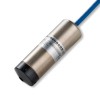 Fuel and freshwater level sensor with adjustable hydrostatic range for small vessel tanks - A marine-approved hydrostatic sensor designed for fuel and freshwater tanks up to 1.6 meters, featuring a high-purity ceramic diaphragm and field-adjustable HART communication for precise shipboard level monitoring.
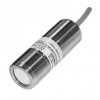 Wastewater holding tank submersible hydrostatic level monitoring pressure transmitter - Monitor liquid levels in wastewater holding tanks with a flush diaphragm sensor designed to prevent clogging from grease and particulate matter in hazardous zones.
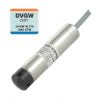 LMP307 Submersible Level Transmitter
- LMK458 Marine Approved Hydrostatic Level Transmitter
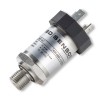 DMP457 Marine Approved Pressure Transmitter
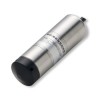 LMK382 Low Range IP68 Waste Water Level Transmitter
- High temperature de-ionised water bath 300mm ATEX level sensor - Level sensor for high temperature liquids up to 125°C, ATEX approved intrinsically safe 4-20mA output and a low range to measure 0 to 300 millimetres.
- Measuring level of stoddard solvent in a sealed tank - We are trying to measure pressure in a gas tank filled with stoddard solvent.
- Fleet management system submersible 3000mm height petrol tank level ATEX rated pressure sensor - ATEX rated submersible pressure sensor for fleet management system (FMS) petrol applications, ideal for petrol applications in hazardous environments.
- Retrofitting ship bubbler tank gauging system with 22mm submersible level probe - A narrow 22mm diameter submersible level transmitter was used to replace an old bubbler system on a ship, providing an easy retrofit solution for fuel tanks without mechanical changes.
- Sewage level transmitter for submerging in low depths to 5 psi - Submersible IP68 level transmitter for sewage applications. 5 psi g range, 4-20mA output, FKM seals, and FEP cable. Ideal for level monitoring in harsh environments.
- Leachate holding tank submersible level sensor for 5 metre depth - Submersible level sensor with 4-20mA output, ATEX IS certification for measurement of leachate quantity in holding tanks
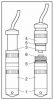 LMP 308 Removable Waterproof Cable Connection Water Level Sensor
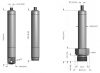 LMK 487 Submersible Ballast Tank and Draught Level Pressure Transmitter
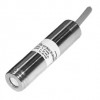 LMK307 Submersible Waste Water Level Sensor
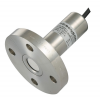 LMK457 Marine Approved Level Transmitter
 Hazardous Area Submersible Hydrostatic Liquid Level Sensors - Explore our range of intrinsically safe (IS) submersible hydrostatic level sensors, designed for accurate liquid level measurement in hazardous environments
Find out more about Intrinsically Safe Submersible Sensor and Instrument Probes to determine which product options and capabilities will best meet your application requirements.
Intrinsically safe submersible sensors are specialized measurement devices designed for safe operation in hazardous areas classified as Zone 0, Zone 1, or Zone 2. These zones are characterized by the potential presence of flammable gases, vapors, or dust, making standard electrical equipment a potential ignition source. Intrinsically safe sensors, on the other hand, are designed to limit the electrical energy and thermal effects to a level that prevents them from causing ignition, even under fault conditions.
Applications
Oil & Gas
- Tank Level Monitoring: Accurately measure the level of crude oil, refined products, liquefied natural gas (LNG), and other hydrocarbons in storage tanks, ensuring efficient inventory management and preventing overfills or spills. These sensors can withstand harsh conditions, including extreme temperatures, high pressures, and corrosive materials.
- Offshore Platform Monitoring: Monitor levels in ballast tanks, drilling mud tanks, and other critical systems on offshore platforms, ensuring stability and preventing accidents in challenging marine environments.
Chemical Processing
- Reactor Monitoring: Measure levels, pressures, and temperatures inside reactors where volatile or flammable chemicals are being processed, ensuring safe operating conditions and preventing runaway reactions. These sensors can withstand aggressive chemicals and high temperatures, providing reliable data for process control.
- Storage Tank Monitoring: Monitor levels and temperatures of hazardous chemicals in storage tanks, preventing overfills, leaks, and potential explosions. Sensors with specialized coatings or materials can be used for highly corrosive or reactive chemicals.
- Wastewater Treatment: Monitor levels of wastewater in treatment plants, ensuring optimal conditions for biological treatment processes and preventing environmental pollution. Submersible sensors can withstand harsh conditions and provide reliable data for process optimization.
Pharmaceutical Manufacturing
- Solvent Level Monitoring: Accurately measure the level of flammable solvents used in pharmaceutical production, ensuring process control and preventing spills or leaks. These sensors must be compatible with a wide range of solvents and meet stringent hygiene standards.
- Fermentation Tank Monitoring: Monitor levels and temperatures in fermentation tanks used for biopharmaceutical production, ensuring optimal conditions for cell growth and product quality.
Landfill Monitoring
- Leachate Level Monitoring: Monitor the level of leachate (contaminated water) in collection sumps and wells, preventing overfills and ensuring proper management of this hazardous liquid. Submersible sensors can withstand the harsh environment and provide reliable data for environmental monitoring.
Selection Considerations
- Hazardous Area Classification: Determine the specific zone classification (Zone 0, 1, or 2) of your application to select the appropriate sensor.
- Measurement Parameter: Choose the sensor type that matches the parameter you need to measure (level, pressure, temperature, etc.).
- Media Compatibility: Ensure the sensor materials are compatible with the liquids or chemicals being monitored.
- Output Signal: Select a sensor with an output signal (e.g., 4-20mA, HART, Modbus) that is compatible with your control system.
- Cable Length and Material: Choose the appropriate cable length and material (e.g., PUR, PTFE) for your installation.
Intrinsically safe submersible sensors and instruments are essential for ensuring safety and efficiency in hazardous area applications. By carefully selecting and installing these devices, you can monitor critical process parameters while minimizing the risk of ignition and accidents.