
Hydrostatic level sensors for wastewater treatment. Featuring flush diaphragms to prevent clogging and options for intrinsically safe operation in flammable gas environments.
Wastewater level sensors featuring open face flush diaphragms provide a robust solution for accurately measuring hydrostatic levels in challenging media such as sewage, sludge, and industrial effluents. These sensors are engineered to mitigate clogging issues common with particulate-laden liquids, ensuring reliable performance and reduced maintenance in applications ranging from lift stations to treatment tanks. For environments where flammable gases may be present, intrinsically safe versions are available, ensuring operational safety in demanding wastewater treatment processes by preventing potential ignition sources.
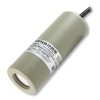 LMK809 Plastic Submersible Low Level Transmitter - IP68 low range pressure transmitter for measuring the level of highly contaminated and agressive liquid media with a body made from PP-HT or PVDF.
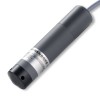 LMK807 Plastic Submersible Level Transmitter - IP68 mid range pressure transmitter for measuring the level of highly contaminated and aggressive liquid media with a body made from PP-HT.
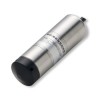 LMK382 Low Range IP68 Waste Water Level Transmitter - Submersible Low Range waste water level transmitter with intrinsically safe option for monitoring the level of sewage and effluent in water treatment plants.
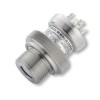 LMK331 Screw-In Ceramic Level Transmitter - Level pressure sensor with semi-flush ceramic diaphragm and stainless steel or PVDF wetted parts in ranges from 0-4 to 600mH2O gauge.
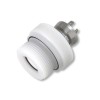 LMK351 High Overpressure Flush Level Transmitter - Flush capacitive ceramic pressure sensor for measuring corrosive and viscous liquid level from levels 0.4 metres of water up to 200 mH2O.
 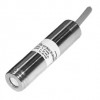 LMK307 Submersible Waste Water Level Sensor - Submersible waste water level sensor with optional intrinsic safety certification for monitoring the level of sewage and effluent in water treatment plants.
- Dirty water, sludge & sewerage tank level 400 mbar pressure sensor
- Storm water detention tank submersible level transmitter for measuring up to 20ft depth
- Sewage level transmitter for submerging in low depths to 5 psi
- Leachate holding tank submersible level sensor for 5 metre depth
- High-temperature level transmitter for aggressive landfill leachate
- IP68 sewage level transmitter with 6m/20ft range, ATEX IS approval and FEP cable
Send us your enquiry to discuss your Waste Water Level Sensors application with a product specialist, and they will help you select the best option to suit your specific requirements.
Wastewater level sensors engineered with open face flush diaphragms are specifically designed to address the challenges of accurately measuring the hydrostatic pressure of sewage, effluent, and other waste liquids. The primary advantage of an open face, flush diaphragm design lies in its inherent resistance to clogging, a common issue when dealing with media containing suspended solids, fibrous materials, or high viscosity, such as raw sewage or sludge. Unlike sensors with recessed diaphragms or pressure ports, the smooth, uninterrupted surface of a flush diaphragm minimizes areas where particulate matter can accumulate, significantly reducing maintenance requirements and ensuring long-term measurement reliability. This design also facilitates easier cleaning, as the sensing surface is directly accessible.
The construction materials for these flush diaphragms and the sensor housing are critical considerations, given the often corrosive and abrasive nature of wastewater. Stainless steel grades such as 316L are common, but for particularly aggressive media, materials like Hastelloy C276 or ceramic diaphragms may be specified to ensure compatibility and prevent premature sensor failure. The sensor’s ability to withstand the chemical composition of industrial effluents or the abrasive content in storm water runoff is paramount for sustained operational performance in demanding applications like lift stations, sumps, and treatment basins.
In many wastewater treatment facilities, particularly in confined spaces like covered tanks, wet wells, or anaerobic digesters, the decomposition of organic matter can lead to the generation and accumulation of flammable gases, such as methane (CH₄) and hydrogen sulfide (H₂S). For these hazardous environments, the use of intrinsically safe (IS) hydrostatic level sensors is often a regulatory requirement. Intrinsically safe sensors are designed and certified to operate with low electrical energy, preventing them from becoming an ignition source for these combustible atmospheres, thereby ensuring the safety of personnel and the integrity of the plant. Certifications such as ATEX, IECEx, or FM are typically required for sensors deployed in such classified zones.
The selection process also involves determining the optimal mounting configuration, which can be either internal (submersible) or external to the tank, vessel, or sewage pipe. Submersible hydrostatic level sensors with flush diaphragms are commonly installed directly into the liquid, suspended by their reinforced cable, which also carries the electrical signals. The cable’s outer jacket material must be carefully chosen for its resistance to the specific chemicals and physical conditions within the wastewater. External mounting involves installing a pressure sensor or transmitter, often with a flush diaphragm process connection, onto a tapping point, typically at the base of a tank or on a pipe. This method allows for easier access for maintenance or calibration without emptying the vessel but requires careful consideration of potential blockages at the tapping point itself. Both configurations are vital in various stages of wastewater management, from influent channels and equalization tanks to clarifiers and effluent discharge points.