
IP68 submersible wastewater sensors provide reliable and accurate measurements of level, pressure, and temperature in harsh environments such as sewage treatment systems, landfill sites, and industrial waste management facilities. These robust sensors are designed for easy cleaning and maintenance, with intrinsically safe options available for hazardous areas with high methane levels.
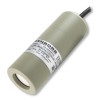 LMK809 Plastic Submersible Low Level Transmitter - IP68 low range pressure transmitter for measuring the level of highly contaminated and agressive liquid media with a body made from PP-HT or PVDF.
 LMK387 Cleanable Sewage and Sludge Pressure/Level Sensor - Rugged and easily cleanable pressure/level sensor for use with waste water sewage or sludge.
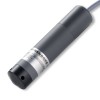 LMK807 Plastic Submersible Level Transmitter - IP68 mid range pressure transmitter for measuring the level of highly contaminated and aggressive liquid media with a body made from PP-HT.
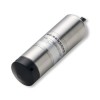 LMK382 Low Range IP68 Waste Water Level Transmitter - Submersible Low Range waste water level transmitter with intrinsically safe option for monitoring the level of sewage and effluent in water treatment plants.
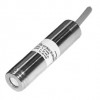 LMK307 Submersible Waste Water Level Sensor - Submersible waste water level sensor with optional intrinsic safety certification for monitoring the level of sewage and effluent in water treatment plants.
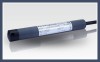 LMK 806 Plastic 21mm diameter Submersible Level Probe - The chemical resistant LMK806 submersible level probe is designed for use in confined spaces with aggressive media.
- Storm water detention tank submersible level transmitter for measuring up to 20ft depth
- Sewage level transmitter for submerging in low depths to 5 psi
- Leachate holding tank submersible level sensor for 5 metre depth
- High-temperature level transmitter for aggressive landfill leachate
- IP68 sewage level transmitter with 6m/20ft range, ATEX IS approval and FEP cable
- 5m deep sewage wastewater submersible level sensor
Send us your enquiry to discuss your Wastewater Submersible Sensors and Instrumentation application with a product specialist, and they will help you select the best option to suit your specific requirements.
Submersible wastewater sensors are essential tools for monitoring and controlling processes in various wastewater management applications. These sensors are designed to withstand the harsh conditions encountered in sewage treatment plants, landfill sites, and other industrial waste management facilities.
Product Advantages
Submersible wastewater sensors are engineered to deliver reliable, high-precision measurement performance in the most demanding liquid monitoring environments. By combining ruggedized IP68 ingress protection with corrosion-resistant material options and specialized designs for straightforward cleaning, these instruments minimize maintenance downtime and maximize operational lifespan. Furthermore, with intrinsically safe certifications for hazardous locations and standard support for flexible mounting configurations and diverse parameter tracking, they offer an all-in-one solution tailored to the complexities of modern wastewater management.
IP68 Protection
A cornerstone feature of these heavy-duty submersible sensors is their official IP68 ingress protection rating. This designation guarantees complete dust-tight enclosure sealing alongside continuous resistance to liquid entry under high pressure during permanent, long-term submersion. Consequently, the internal electronics remain fully safeguarded against water intrusion, humidity, and fine particulate contamination, even when installed at maximum depth inside high-volume sewage sumps or wastewater retention tanks.
Material Selection
To withstand prolonged exposure to aggressive, abrasive, and highly corrosive chemical media, submersible wastewater sensors are constructed from premium-grade materials selected specifically for demanding process environments. Options typically feature high-grade stainless steel housings, titanium bodies, or highly chemical-resistant polymers such as PVDF and PP-HT. Paired with elastomeric seals and specialized cable sheathings like FEP or PUR, these robust constructions effectively prevent chemical degradation, mechanical wear, and premature sensor failure.
Easy Cleaning
In raw sewage and industrial wastewater treatment applications, suspended solids, viscous sludge, and biological films naturally accumulate on sensor surfaces over time, potentially impairing measurement accuracy. To address this challenge, submersible wastewater sensors are designed with open, flush diaphragm arrangements, smooth exterior contours, and easily removable protection caps. This cleanable geometry simplifies routine maintenance, allowing field operators to wash away build-up quickly without damaging delicate sensing elements.
Intrinsically Safe Options
Potentially explosive atmospheres caused by accumulated methane, hydrogen sulfide, and other flammable gases are common in enclosed sewage treatment systems, digesters, and landfill leachate sites. To ensure safe operation in these classified hazardous locations, intrinsically safe (IS) sensor variants are available with ATEX or IECEx approvals. These units operate on restricted electrical energy levels, guaranteeing that neither electrical sparks nor thermal effects can ignite ambient gases. Intrinsically Safe barriers or galvanic isolators must be installed in the safe area to regulate energy supplied to the sensor in the hazardous zone, ensuring voltage and current limits are strictly maintained for safety compliance.
Versatile Mounting Options
Accommodating diverse physical tank dimensions and structural layouts, submersible wastewater sensors support a broad range of installation methods. They can be suspended freely by their integrated strain-relieved cables, anchored within narrow stilling wells, or securely fixed to submerged mounting brackets and flanges. This high degree of installation flexibility simplifies retrofitting into existing infrastructure while ensuring stable positioning despite fluid agitation or turbulence.
Variety of Measurement Parameters
Beyond standard liquid level monitoring, modern submersible sensor configurations are capable of measuring multiple physical parameters within a single compact instrument. Options incorporating hydrostatic pressure sensing alongside integrated temperature probe functionality or digital RS485 Modbus RTU telemetry allow operators to gather comprehensive process data continuously, facilitating optimized automated pump control and system telemetry.
Product Applications
Submersible wastewater sensors and instrumentation are essential monitoring instruments deployed across diverse municipal, industrial, and environmental liquid handling infrastructure. Engineered to operate continuously within harsh, heavily contaminated, and chemically aggressive fluids, these specialized instruments enable accurate, real-time tracking of hydrostatic level, pressure, and temperature. By providing automated data feeds to SCADA networks, telemetry systems, and local pump controllers, submersible sensors help prevent overflow incidents, optimize pump operations, maintain regulatory compliance, and ensure overall operational safety in hazardous or hard-to-access locations.
Sewage Treatment Systems
Submersible sensors play a critical role in optimizing municipal and industrial sewage treatment plants from raw influent intake through to final effluent discharge. Installed directly within equalization basins, aeration tanks, clarifiers, and primary sludge channels, these robust transmitters continuously measure liquid depth and fluid pressure despite high concentrations of suspended solids and biological matter. Continuous monitoring enables plant operators to automate pump duty cycles, regulate influent flow rates, avoid tank overflows, and ensure precise dosing during biological treatment phases. Furthermore, integration with central supervisory control and data acquisition (SCADA) systems supports predictive maintenance by flagging build-up or flow irregularities before process disruptions occur.
Landfill Sites and Leachate Management
Landfill facilities generate highly hazardous leachate liquid as precipitation percolates through buried solid waste. Managing leachate accumulation inside deep landfill wells, collection sumps, and storage lagoons requires specialized submersible sensors capable of withstanding extreme chemical attack, elevated temperatures, and high organic concentrations. Heavy-duty level probes manufactured with corrosion-resistant body materials—such as PVDF, titanium, or high-grade stainless steel—ensure reliable hydrostatic level measurement in these aggressive fluids. By maintaining precise leachate head levels, operators prevent hazardous subsurface migration, protect surrounding groundwater resources from contamination, and fulfill stringent environmental compliance obligations.
Industrial Waste Management
Manufacturing facilities across chemical processing, food and beverage production, pharmaceutical manufacturing, and metal finishing generate complex wastewater streams containing acidic solutions, alkaline cleaning agents, solvents, or heavy oils. Submersible level and pressure transmitters deployed in industrial neutralisation pits, holding tanks, and chemical waste sumps deliver continuous monitoring essential for safe handling. Their durable construction prevents chemical degradation and sensor drift, ensuring consistent performance. Real-time data from these sensors helps automate local effluent treatment, control chemical neutralisation dosing, prevent hazardous chemical spills, and ensure strict compliance with municipal discharge limits.
Stormwater Retention and Flood Control
Urban drainage networks, attenuation tanks, detention basins, and storm overflow channels rely heavily on submersible hydrostatic pressure sensors to monitor water accumulation during heavy rainfall events. Designed to remain submerged for extended periods without degradation, these probes provide high-accuracy depth data that triggers automated flood barrier controls and stormwater retention pumps. By continuously relaying level trends to municipal flood monitoring networks, these sensors play a crucial role in preventing urban flooding, mitigating sewer surcharges, and protecting civil infrastructure from catastrophic water damage.
Pumping Stations and Lift Stations
Wastewater lift stations and sewage pumping pits operate under challenging conditions marked by turbulent fluid movement, grease build-up, and floating debris. Submersible level transmitters suspended in these wet wells deliver reliable head pressure measurements to control automatic pump activation, alternation, and shut-off sequences. Flush ceramic or metallic diaphragm designs resist clogging from ragging and solids, while heavy-duty cable assemblies ensure long-term structural integrity. Precise level tracking prevents pump dry-running, limits energy consumption by optimizing pump run times, and minimizes the risk of wet well overflows in residential and commercial collection networks.
Anaerobic Digesters and Biogas Facilities
Anaerobic digestion tanks and agricultural biogas plants present highly demanding environments characterized by warm, viscous organic sludge and elevated concentrations of flammable gases such as methane and hydrogen sulfide. Intrinsically safe (ATEX/IECEx certified) submersible pressure and temperature transmitters are specifically designed to operate safely inside these classified Zone 0 and Zone 1 hazardous areas. By measuring fluid levels and temperatures within digester vessels, these sensors facilitate precise feedstock management, support optimal thermal conditions for bacterial breakdown, and ensure safe gas containment without risking electrical ignition.
Product Selection
Selecting the appropriate submersible sensor for wastewater applications requires careful evaluation of multiple technical parameters. To ensure long-term measurement accuracy, reliability, and safe operation in demanding conditions—such as sewage treatment, landfill leachate collection, and industrial waste monitoring—engineers and operators must match the sensor’s specifications to their precise installation and process requirements. Key selection criteria include determining the required measurement range, choosing compatible body and diaphragm materials, selecting appropriate output signals and cable configurations, and verifying necessary hazardous area approvals.
Measurement Range
Defining the correct hydrostatic pressure or level range is fundamental to accurate performance. Sensors must be specified to accommodate maximum expected liquid depths—ranging from shallow wet wells or open tanks (e.g., 0 to 1 mH2O or 0 to 0.1 bar) to deep landfill wells or storage vessels (up to 50 mH2O). Selecting a range that aligns closely with operational levels optimizes measurement resolution, while ensuring adequate overpressure and burst pressure margins prevents sensor damage during unexpected fluid surges.
Housing & Diaphragm Materials
Because wastewater media often contain corrosive chemicals, abrasive suspended solids, or organic solvents, material compatibility is critical. Standard applications typically utilize 316L stainless steel housings with flush ceramic (Al2O3) diaphragms and FKM or EPDM seals for easy cleaning and durability. For highly aggressive or acidic media, plastic options such as PP-HT or PVDF, or specialized alloys like marine bronze or titanium, provide superior protection against chemical degradation and premature failure.
Output Signals
Submersible sensors offer various signal interfaces to suit existing control systems, PLCs, and telemetry networks. Standard 2-wire 4–20 mA analogue outputs are widely used for long-distance signal transmission with high noise immunity. For applications requiring digital integration, advanced sensor models feature RS485 Modbus RTU or SDI-12 protocols, enabling multi-parameter transmission—such as simultaneous liquid level and fluid temperature readings—over a single communication bus.
Cable Type & Length
The integral submersible cable must feature an internal capillary vent tube to ensure accurate atmospheric pressure compensation. Cable sheath materials should be matched to the environment: PVC is suitable for standard municipal waste, heavy-duty PUR provides excellent mechanical toughness and flexibility, and FEP offer superior chemical resistance in aggressive industrial or landfill leachate applications. Cable length must be specified to cover the full installation depth plus the distance to the surface junction box or control panel.
Hazardous Area Approvals
In enclosed wastewater infrastructure, anaerobic digesters, and landfill sites where hazardous gases like methane or hydrogen sulfide are present, sensors must be certified for explosive atmospheres. Selecting intrinsically safe (IS) options with ATEX or IECEx approvals ensures safe operation in Zone 0 or Zone 1 classified areas when installed alongside suitable intrinsically safe isolation barriers in the control system.