
Submersible sensors and instruments specifically designed for continuous immersion in high-temperature liquids up to 125°C (257°F). These specialized devices utilize materials and technologies that ensure reliable performance in demanding applications such as heated fuel tanks, food processing, and heated water tanks.
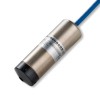 LMK458 Marine Approved Hydrostatic Level Transmitter - Marine approved level transmitter with 4-20mA output for measuring level of contents inside ship ballast, fuel, liquid cargo or wastewater tanks
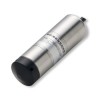 LMK382 Low Range IP68 Waste Water Level Transmitter - Submersible Low Range waste water level transmitter with intrinsically safe option for monitoring the level of sewage and effluent in water treatment plants.
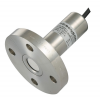 LMK457 Marine Approved Level Transmitter - Marine approved level transmitter with 4-20mA current loop output for shipbuilding with optional all CuNiFe construction for sea-water compatibility in ranges from 0.4 mH2O to 250mH2O gauge.
- Dairy wash water tank submersible level sensor for temperature up to 100C and 2m high tank
- 6m range 4-20mA submersible animal feed tank level and PT100 sensor
- 3m range 4-20mA output submersible hot water tank level sensor
- High temperature mini sewage tank level sensor
- High temperature de-ionised water bath 300mm ATEX level sensor
- High temperature liquid level measurement for geothermal energy and thermal bath management
Send us your enquiry to discuss your High Temperature Resistant Submersible Sensors and Instruments application with a product specialist, and they will help you select the best option to suit your specific requirements.
Submersible sensors and instruments deployed in high-temperature liquids face unique challenges:
- Material Degradation: Many common materials used in sensor construction, including plastics and adhesives, can degrade rapidly at elevated temperatures. This can lead to sensor failure and inaccurate readings.
- Electronics Reliability: Electronic components are highly susceptible to heat. Continuous operation at high temperatures can significantly reduce their lifespan and reliability.
- Cable Integrity: Standard cable insulation can soften, melt, or become brittle in hot liquids, compromising signal transmission and potentially leading to short circuits.
To ensure reliable operation in high-temperature liquids, specialized design and construction are essential:
- High-Temperature Materials: Sensor housings, probes, and wetted parts are constructed from materials like stainless steel, titanium, or high-temperature polymers that can withstand prolonged exposure to hot liquids without degradation.
- Specialized Electronics: Heat-Resistant Electronics: The internal electronics, including PCBs and sensors, are designed to operate reliably at elevated temperatures. This may involve using components with extended temperature ratings, specialized potting compounds, and thermal management techniques.
- High-Temperature Cables: Cables are typically constructed with high-temperature tolerant materials like TPE to maintain signal integrity and prevent damage in hot environments.
Product Advantages
High temperature resistant submersible sensors and instruments offer exceptional durability and reliability in extreme liquid environments up to 125°C. By leveraging specialized high-temperature materials, thermal management electronics, and robust TPE cabling, these devices prevent sensor degradation, maintain high signal accuracy, and ensure extended operational lifespans in critical industrial operations.
Extended Operational Lifespan
Built with industrial-grade stainless steel, titanium, and heat-resistant polymers, these sensors withstand continuous immersion in harsh and hot liquids without structural or material degradation. This significantly reduces maintenance downtime and total cost of ownership.
High Signal Accuracy and Stability
Integrated thermal compensation and specialized electronics protect internal circuitry against thermal drift, delivering precise and consistent measurement data even under severe temperature fluctuations.
Enhanced Safety and Compliance
Designed to perform safely in hazardous processes, such as heated fuel tanks or chemical processing, these devices reduce the risk of sensor failure, fluid leaks, or electrical short circuits in demanding industrial environments.
Product Applications
High-temperature submersible sensors and instruments provide continuous, precise monitoring across demanding environments where elevated temperatures and aggressive fluids would degrade standard instrumentation. From heavy industrial manufacturing to specialized food processing and energy systems, these ruggedized sensors safeguard critical operational assets, ensure regulatory compliance, and optimize thermal process controls.
Heated Fuel Tanks
Continuous level and temperature monitoring in pre-heated heavy fuel oil (HFO) and marine diesel tanks prevents fluid stratification, reduces thermal energy loss, and ensures optimal viscosity for burner systems while preventing hazardous overfills and pump cavitation.
Food and Beverage Processing
Designed to endure stringent Clean-in-Place (CIP) thermal cycles and continuous high-temperature cooking, cooking oil frying, and sterilization processes, these sensors ensure precise thermal regulation and liquid volume tracking to uphold strict food safety and hygiene standards.
Heated Water and Boiler Feed Tanks
Accurate liquid level measurement in pressurized hot water tanks, condensate return tanks, and boiler feedwater vessels is essential for regulating thermal balance, maximizing boiler energy efficiency, and preventing costly dry-run failures in industrial heating plants.
Chemical and Industrial Processing
High-temperature submersible sensors engineered with chemically resistant materials withstand aggressive acidic or alkaline hot chemical mixtures, supporting precise inventory control and reactor batch processing across chemical manufacturing plants.
Geothermal Energy and Thermal Baths
Operating in mineral-rich, scalding geothermal fluid reservoirs and natural thermal baths, these specialized transmitters measure water column pressure and temperature to support sustainable resource management and public facility operations.
Pharmaceutical Batching and Sterilization
Submersible probes engineered for ultra-pure, high-temperature liquids enable reliable monitoring during hot-water sanitization and chemical synthesis, complying with stringent cGMP validation standards.
Pulp and Paper Liquor Processing
Submersible level transmitters in black liquor recovery and hot pulp washing tanks deliver stable measurement under high chemical concentration and elevated thermal stress, optimizing chemical recovery cycles.
Industrial Wastewater and Effluent Treatment
In hot industrial effluent sumps and neutralization pits, rugged submersible sensors resist fouling, slurry accumulation, and elevated fluid temperatures to maintain compliant waste discharge operations.
Oil field Produced Water and Slop Tanks
Monitoring hot produced water, crude oil emulsions, and slop oil tanks requires robust sensing elements capable of surviving hazardous, thermally elevated, and corrosive hydrocarbon environments.
Metal Finishing and Electroplating Baths
Heat-resistant submersible probes placed directly in hot pickling, anodizing, or electroplating baths provide real-time liquid level feedback, preventing bath dry-out and ensuring uniform coating quality.
Product Selection
Selecting the optimal high temperature resistant submersible sensor requires careful evaluation of key operating parameters including maximum fluid temperature, chemical compatibility, pressure ranges, electrical output signals, and cable material durability to ensure long-term reliability in demanding environments.
Temperature Rating and Thermal Exposure
Determine the continuous media operating temperature and potential thermal peaks. While standard submersible sensors are limited to lower thermal thresholds, high-temperature models can handle continuous immersion up to 125°C. Selecting a sensor with integrated temperature compensation ensures signal accuracy across variable heating cycles.
Wetted Materials and Chemical Compatibility
Assess the chemical composition of the liquid medium to choose appropriate housing and diaphragm materials. Options such as 316L stainless steel, titanium, CuNiFe, or high-purity ceramics prevent corrosion, pitting, or chemical degradation when exposed to aggressive hot liquids, wastewater, or saline fluids.
Submersible Cable Integrity
The immersion cable must withstand continuous thermal stress without softening, cracking, or losing ingress protection. High-grade TPE or specialized fluoropolymer cables maintain mechanical stability, insulation resistance, and reliable internal capillary venting for accurate atmospheric pressure referencing.
Pressure Range and Signal Output
Select an appropriate level range (mH2O or bar) to match the tank height or depth. Combine this with the required industrial output signal, such as 4-20mA current loop or digital RS485 Modbus, to ensure seamless integration with process controllers, PLCs, or telemetry units.