
When measuring the liquid level in a tank that is open to the atmosphere, how does a hydrostatic pressure sensor compensate for changes in barometric (air) pressure?
To accurately measure the liquid level (hydrostatic head) in a vented tank, the most common way with a pressure sensor, is to utilise one that has a gauge pressure reference. This ensures it only measures the pressure exerted by the liquid column, automatically subtracting the ambient atmospheric pressure. If an absolute sensor were used, any change in barometric pressure (e.g., from a passing weather system) would be incorrectly registered as a change in the tank level.
Featured vented reference hydrostatic liquid level sensing products
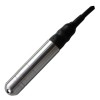 Submersible diesel fuel tank level sensor with 5V out for 7ft height
 Retrofitting ship bubbler tank gauging system with 22mm submersible level probe
 Robust hydrostatic level sensing in aerial firefighting water tanks
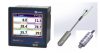 Water level controller and sensor with email notifications for multiple 4m high tanks
This atmospheric compensation is achieved by ensuring the “dry” or reference side of the sensing diaphragm is exposed to the ambient air. This is accomplished by integrating a small ventilation tube within the electrical cable. This tube runs the length of the cable, from the sensor body to the cable’s termination point (e.g., inside a control cabinet). This design ensures the reference side of the diaphragm is always at the same atmospheric pressure as the liquid’s surface, so the sensor’s output signal corresponds precisely to the true liquid level.
Related Help Guides
- Measuring vacuum with negative gauge or absolute ranges
- What is the difference between gauge and absolute pressure measurement
- Simulating 8000 foot altitude with a pressure gauge
- Not reading zero when pressure is vented to atmosphere
- What is the difference between sealed gauge and vented gauge reference?
- Determining the signal cable length of a suspended liquid level transducer
Related Technical Terms
Contact us about this Atmospheric pressure compensation for hydrostatic level sensors page to request more information, or to discuss your application requirements.