
Shallow depth submersible level sensors offer precise measurement solutions for monitoring water levels in rivers, streams, and small storage tanks. These specialized sensors are designed to operate accurately in low-range applications, providing reliable data for environmental monitoring, water resource management, and industrial process control.
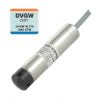 LMP307 Submersible Level Transmitter - Submersible level transmitter for measuring liquid level with a 4-20mA current loop or a 0-10V voltage output plus optional ATEX approval for intrinsically safe use in hazardous areas in ranges from 1mH2O up to 250mH2O. The LMP307 is suitable for use on potable water with no leaching, and can be supplied with a drinking water certificate according to DVGW and KTW.
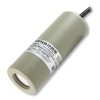 LMK809 Plastic Submersible Low Level Transmitter - IP68 low range pressure transmitter for measuring the level of highly contaminated and agressive liquid media with a body made from PP-HT or PVDF.
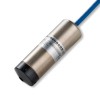 LMK458 Marine Approved Hydrostatic Level Transmitter - Marine approved level transmitter with 4-20mA output for measuring level of contents inside ship ballast, fuel, liquid cargo or wastewater tanks
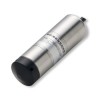 LMK382 Low Range IP68 Waste Water Level Transmitter - Submersible Low Range waste water level transmitter with intrinsically safe option for monitoring the level of sewage and effluent in water treatment plants.
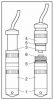 LMP 308 Removable Waterproof Cable Connection Water Level Sensor - Groundwater, tank & reservoir water level detachable submersible cable hydrostatic liquid level sensor for multiple municipal water level measurement locations.
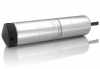 DCL 551 RS485 Modbus RTU Submersible Low Range Fuel, Oil & Wastewater Level Probe - Low range digital interface submersible liquid level probe with RS 485 Modbus RTU protocol serial bus communications for measuring level of fuel, oil and wastewater in low fill height open tanks.
- Storm surge protected low range submersible river level transmitter
- Rainwater harvesting depth sensor for 1 metre deep tank
- 200cm range 0-5Vdc output submersible road flood stream depth and PT1000 sensor
- Cooling tower basin water level transmitter
- High temperature mini sewage tank level sensor
- Surface water hydrostatic level sensor for shallow stream
Send us your enquiry to discuss your Shallow Depth Submersible Sensor and Instrument Probes application with a product specialist, and they will help you select the best option to suit your specific requirements.
Shallow depth submersible level sensors are specifically engineered to measure liquid levels in environments with limited depths, typically ranging from a few centimeters to several meters. These sensors are commonly employed in:
- Surface Water Monitoring: Monitoring water levels in rivers, streams, and lakes for hydrological studies, flood warning systems, and environmental management.
- Tank Level Measurement: Measuring liquid levels in small storage tanks, sumps, and reservoirs for industrial processes, agricultural applications, and water distribution systems.
Product Advantages
Shallow depth submersible level sensors and instrument probes offer significant benefits tailored specifically for low-level liquid monitoring. Designed for precision, durability, and ease of installation in shallow applications, these sensors deliver consistent performance where standard submersible probes struggle. Their key advantages include superior low-range accuracy, highly durable and corrosion-resistant construction, flexible output/communication options, compact space-saving designs, and low maintenance requirements for long-term deployment.
High Accuracy in Low-Range Applications
Standard submersible pressure sensors are often optimized for deep water, which can lead to measurement inaccuracies when applied to shallow depths. Shallow depth submersible probes feature high-sensitivity hydrostatic pressure diaphragms specifically calibrated for low liquid columns (often down to a few centimeters or meters). This ensures precise, high-resolution measurements even with minimal hydrostatic head pressure.
Robust Construction & Material Compatibility
Designed to operate in harsh or varying media, these sensors are constructed from durable materials such as high-grade stainless steel (316L), titanium, or corrosion-resistant plastics (PP-HT, PVDF). They feature robust IP68 ingress protection and options for ATEX intrinsic safety or drinking water certifications (such as DVGW and KTW), making them safe and reliable in drinking water, sewage, marine, or chemically aggressive environments.
Versatile Signal Outputs & Connectivity
To support seamless integration with industrial control systems, telemetry units, and data loggers, shallow depth probes offer a variety of output options. These range from standard analog current loops (4-20mA) and voltage outputs (0-5V, 0-10V) to digital interfaces like RS485 Modbus RTU serial communication and detachable cable connections for convenient installation and maintenance.
Compact Design & Easy Installation
Featuring small outer diameters and lightweight profiles, shallow depth probes can easily fit into narrow wells, small sumps, drainage channels, or restricted tank spaces. Their plug-and-play hydrostatic operating principle simplifies setup—requiring only lower-in placement without complex mechanical mounting or external moving parts that could jam or wear out over time.
Low Maintenance & Long-Term Reliability
With no mechanical moving parts and flush diaphragm options for contaminated or viscous fluids, shallow depth submersible sensors resist clogging, fouling, and buildup. This design minimizes maintenance requirements and extends operational lifespan, providing reliable continuous monitoring for unmanned or remote installations.
Product Applications
Shallow depth submersible level sensors provide essential liquid measurement capabilities across a broad spectrum of environmental, municipal, commercial, and industrial settings. Engineered specifically for applications where liquid head pressures are minimal or space is constrained, these probes ensure reliable continuous monitoring, prevent operational hazards, and optimize process efficiency. Below is an overview of the key operational and environmental contexts where shallow depth level sensors play a critical role.
Stream and River Monitoring
Accurately measuring water levels in streams, shallow rivers, and natural watercourses is crucial for hydrological research, flood forecasting, and environmental resource management. Shallow depth submersible level sensors are permanently or semi-permanently deployed in riverbeds, stilling wells, or gauging stations to collect real-time level trends. Designed to handle varying flow rates, turbulence, and debris, these sensors feature high-sensitivity diaphragms that capture minor changes in water depth, providing critical data to automated flood warning systems and environmental agencies.
Urban Drainage Systems
Managing stormwater runoff and monitoring wastewater levels across urban drainage infrastructure—including storm drains, combined sewer overflows (CSOs), and culverts—is vital for mitigating urban flooding. Submersible low-range sensors operate dependably in harsh underground environments exposed to debris, silt, and corrosive municipal runoff. By continuously logging water depth, these probes send high-level alarms to municipal control centers during heavy rainfall events, allowing for proactive stormwater management and rapid emergency response.
Irrigation Canals and Ditches
Maintaining precise water levels throughout agricultural distribution networks, open irrigation channels, and feeder ditches ensures uniform crop hydration while preventing water wastage. Submersible level transmitters positioned along shallow canal beds provide automated level feedback to telemetry-controlled sluice gates and pumps. Their durable, low-maintenance design withstands sediment accumulation, aquatic vegetation, and seasonal weather extremes, supporting efficient water allocation and sustainable farming practices.
Aquaculture and Fisheries
Continuous level monitoring in fish farms, shallow breeding ponds, hatcheries, and raceways is essential to maintain optimal water exchange rates, dissolved oxygen equilibrium, and healthy aquatic habitats. Shallow depth hydrostatic sensors measure minute fluctuations in water depth, alerting facility operators to water loss from leaks or supply line failures. Constructed from bio-compatible, non-leaching materials, these sensors operate safely in freshwater or marine aquaculture environments without harming fish or shellfish stocks.
Groundwater Monitoring Wells
Shallow depth submersible level transmitters are widely installed in piezometers, observation wells, and shallow aquifers to evaluate groundwater availability, seasonal water table fluctuations, and recharge rates. Featuring slim housing profiles, these sensors slide easily into narrow boreholes without obstructing sampling equipment. Their high stability and precision allow researchers and water authorities to track subtle hydrostatic changes over multi-year monitoring projects.
Landfill Leachate Monitoring
Monitoring toxic leachate accumulation at the base of solid waste landfills is critical for environmental protection and regulatory compliance. Heavy industrial-grade submersible probes built from chemical-resistant plastic materials (such as PVDF or PP-HT) or high-grade alloys withstand the aggressive, corrosive chemical cocktails found in leachate collection sumps. By maintaining continuous level control, these sensors prevent groundwater contamination and ensure leachate extraction pumps function efficiently.
Storage Tanks and Reservoirs
Small storage vessels, shallow process tanks, sumps, and rainwater collection reservoirs across chemical, agricultural, and industrial processing plants require dependable liquid level inventory tracking. Submersible hydrostatic pressure probes resting on the tank bottom provide continuous level readings regardless of surface foam, vapor layers, or internal tank geometry. Their versatile signal outputs seamlessly feed into central PLC or SCADA systems for process automation and inventory management.
HVAC Systems
In large commercial HVAC units and air handler condensate pans, tracking water accumulation prevents overflow damage and biological growth. Compact submersible sensors installed inside shallow drain trays monitor low liquid levels and send operational signals to condensate drainage pumps. This continuous level feedback prevents property water damage, reduces maintenance overhead, and supports reliable HVAC operations.
Leak Detection in Basements and Crawl Spaces
Early detection of water ingress or pipe bursts in sub-grade spaces, building basements, and shallow crawl spaces is vital for structural protection. Low-range submersible sensors placed in shallow sumps or lowest floor points detect the earliest presence of standing water (down to a few millimeters or centimeters). The sensor output triggers automated alarms and activates sump pumps, minimizing structural damage, mold growth, and costly facility remediation.
Cooling Tower Basins
Industrial and commercial cooling towers rely on stable water levels in shallow collection basins to maintain efficient heat transfer and prevent pump cavitation. Submersible hydrostatic pressure sensors immersed in the basin floor provide continuous feedback to automatic water makeup valves and blowdown controls. Designed to withstand chemical water treatments and temperature changes, these sensors ensure smooth cooling loop operation and prevent equipment downtime.
Factory Machinery Oil Sumps
Monitoring oil and lubricant levels in shallow machinery sumps, hydraulic reservoirs, and gearboxes is critical for preventive plant maintenance. Submersible probes compatible with oils, synthetic lubricants, and industrial fuels monitor low fluid head levels in tight spaces. By providing real-time level telemetry, these sensors prevent mechanical friction damage, detect fluid leaks early, and ensure equipment runs reliably under demanding factory conditions.
Drainage Pits and Sumps
Continuous level measurement in industrial drainage pits, lift stations, and collection sumps prevents hazardous overflows and ensures efficient waste liquid disposal. Submersible low-range transmitters handle dirty fluids containing suspended solids, grease, or chemical additives. Clogging-resistant flush diaphragm designs ensure reliable pump control signals, reducing routine maintenance cycles and preventing environmental contamination.
Open Channel Flow Monitoring
Measuring flow rates in open channels, streams, canals, and industrial effluent channels often relies on calculating hydraulic head height behind primary flow structures such as flumes or weirs. Shallow depth submersible pressure transmitters measure these small changes in head level with extreme precision. The resulting depth measurements are converted via standard flow equations in data loggers or flow computers to calculate accurate volumetric flow rates.
Process Control
Precise liquid level regulation in shallow reaction vessels, chemical dosing tanks, and food/beverage mixing vats is essential for maintaining product quality and operational safety. Hydrostatic level sensors continuously transmit accurate 4-20mA or digital bus signals directly to process controllers. Their rapid response times and fine measurement resolution allow automated valves and pumps to maintain exact liquid levels during batch processing and continuous mixing operations.
Hydrological Monitoring
Long-term environmental research requires reliable water level monitoring across lakes, reservoirs, catchments, and estuaries to analyze regional water budgets and environmental changes. Submersible pressure probes deployed in shallow freshwater or marine bodies collect continuous water depth data over extended periods. Equipped with integrated temperature sensors and low-power telemetry interfaces, these sensors deliver long-term datasets for climate and hydrological studies.
Environmental Research
Investigating delicate aquatic ecosystems like wetlands, marshes, coastal mudflats, and peatlands demands non-intrusive and highly accurate depth measurement. Shallow depth submersible level sensors capture micro-fluctuations in water level driven by tides, seasonal rainfall, or evapotranspiration. Their rugged, fully submersible construction ensures long-term unattended operation in remote research sites, providing essential data for wetland conservation and restoration initiatives.
Product Selection Guide
Selecting the ideal shallow depth submersible sensor requires evaluating several core technical criteria to ensure accurate measurement and optimal operational lifespan. Key consideration factors include identifying the specific liquid media and its chemical compatibility, determining the required pressure range and depth sensitivity, choosing appropriate signal output protocols, and selecting durable housing materials and cable types suited for the deployment environment.
Measurement Range & Depth Sensitivity
Choosing a sensor with a full-scale range closely matched to the maximum expected liquid depth is critical for low-head applications. Selecting high-sensitivity pressure diaphragms optimized for shallow depths (such as 0–1mH2O or 0–2.5mH2O) maximizes signal resolution and measurement accuracy, preventing signal loss or coarseness common when using wide-range transmitters.
Media Compatibility & Diaphragm Options
The physical and chemical composition of the fluid dictates the necessary body and diaphragm materials. Potable water applications typically require stainless steel (316L) housings with non-leaching certificates (DVGW/KTW). For aggressive media, landfill leachate, or severe wastewater, plastic bodies made from PP-HT or PVDF, ceramic diaphragms, and flush-mounted designs prevent corrosion and fouling.
Output Signals & System Integration
Consider the instrumentation or telemetry system receiving the data. Standard 2-wire 4-20mA current loops offer high noise immunity over long cable runs, while voltage outputs (0-5V or 0-10V) suit low-power loggers. For smart monitoring networks and bus architectures, digital interfaces like RS485 Modbus RTU provide direct multi-drop connectivity and additional diagnostic telemetry.
Cable Selection & Environmental Approvals
Ensure the submarine cable sheath (PUR, PVC, or FEP) is compatible with the media and exposure conditions. Detachable waterproof cable connections simplify field replacement and maintenance. Additionally, hazardous location installations require hazardous area approvals (such as ATEX intrinsic safety), while marine installations need specialized classification society approvals.