
These intrinsically safe pressure transmitters are designed for precise measurement in hazardous areas where low pressure ranges are critical. They are ideal for monitoring and controlling ventilation and air extraction systems in office and factory buildings, ensuring optimal air quality and safety even in challenging environments.
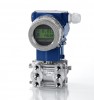 Bi-directional room pressure sensing in explosive gas and dust atmospheres - Optimize facility safety in chemical and pharmaceutical plants by maintaining accurate pressure gradients between labs and hazardous production areas.
- Low range ATEX approved 100 Pascal range DP transmitter - The DPT200 is a robust ATEX approved differential pressure transmitter which has a very low range of 100Pa.
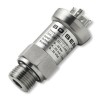 DMP331 Precision Pressure Transmitter
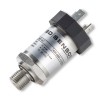 DMP457 Marine Approved Pressure Transmitter
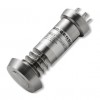 DMP331P Hygienic Flush Pressure Transmitter
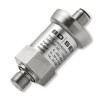 DMP343 Low Range Pneumatic Pressure Sensor
- Solvent tank nitrogen blanketing monitoring with all welded IS/SIL2 bidirectional pressure transmitter - Discover a solution for measuring low nitrogen blanket pressure in flammable solvent tanks. This application story details the use of an all-welded, intrinsically safe pressure transmitter with SIL2 certification to ensure chemical compatibility with acetone and alcohols in a Zone 0 environment.
- Low pressure methane gas transmitter with display and switch - I am looking for a 4-20mA pressure transmitter device for measuring the pressure of methane (CH4) gas up to 160 mbar gauge.
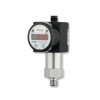 DS210 Combined Low Pressure Switch, Indicator and Sensor
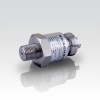 DMK351 Liquid and Gas Resistant Intrinsically Safe Low Range Gauge Pressure Sensor
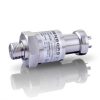 DMK 458 Seawater Low Range Pressure Transmitter
Find out more about Low Pressure Range Intrinsically Safe Pressure Transmitters to determine which product options and capabilities will best meet your application requirements.
In industrial and commercial settings, maintaining proper ventilation and air movement is crucial not only for occupant comfort but also for safety. However, many of these environments also present potential hazards such as flammable gases or dust, necessitating the use of specialized equipment like intrinsically safe pressure transmitters.
These transmitters are specifically designed to operate in hazardous areas where even a small spark could trigger an explosion. They achieve this through a combination of design features that limit the electrical energy and heat generated within the device, ensuring that they cannot become an ignition source.
Low pressure range intrinsically safe pressure transmitters are particularly important for applications where subtle pressure differences need to be accurately measured. This is often the case in ventilation and air extraction systems, where airflow through large spaces can create relatively small pressure changes. These transmitters typically operate in pressure ranges measured in inches of water column, millibars, hectopascals, or Pascals.
- Building Management Systems (BMS): These systems rely on precise pressure measurements to monitor and control airflow throughout a building. Intrinsically safe low pressure transmitters ensure that this critical function can be performed safely even in areas where flammable materials may be present.
- Ventilation Systems: Proper ventilation is essential for maintaining air quality and preventing the buildup of harmful contaminants. Low pressure range intrinsically safe transmitters enable accurate monitoring and control of airflow in these systems, even in hazardous environments.
- Air Extraction Systems: Industrial processes often generate dust, fumes, or other airborne contaminants that must be safely removed from the work area. Intrinsically safe low pressure transmitters ensure that these extraction systems operate effectively and safely, even in potentially explosive atmospheres.
By combining intrinsic safety with low pressure range capabilities, these transmitters provide a vital solution for ensuring optimal airflow and safety in a wide range of industrial and commercial applications.