
Specialized pressure gauges featuring a flush diaphragm design. Perfect for viscous liquids, slurries, and applications demanding high levels of cleanliness and hygiene.
Our flush diaphragm pressure gauges offer a specialized solution for accurately measuring the pressure of viscous, sticky, or particulate-laden fluids where traditional pressure gauges would fail. The unique flush diaphragm design eliminates any internal cavities or dead spaces within the process connection, preventing clogging and ensuring consistent, reliable readings. These gauges are particularly well-suited for applications in the food, pharmaceutical, and other industries where hygiene, cleanliness, and the handling of challenging process media are of critical importance.
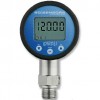 Baroli 02P Low Range Flush Diaphragm Digital Pressure Gauge - All stainless steel 316L hygienic digital display pressure gauge for measuring low range pressures with ranges from 0-100 mbar up to 0-40 bar.
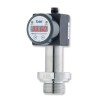 DS200P Sanitary Low Range Pressure Gauge, Switch and Sensor - All in one electronic switch, gauge and sensor designed specifically for use in the food, drink and biomedical industry for measuring process pressures.
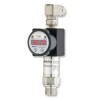 DS201P High Range Flush Pressure Gauge, Switch and Sensor - High pressure sensor, electronic switch and digital gauge with an all welded stainless steel flush diaphragm for high viscosity liquids.
- Monitoring viscous gel filtration with a flush diaphragm data-logging pressure gauge
- 60psig range pharmaceutical pressure gauge and 0-10Vdc transducer with triclamp fitting
Send us your enquiry to discuss your Flush Diaphragm Pressure Gauges application with a product specialist, and they will help you select the best option to suit your specific requirements.
Flush diaphragm pressure gauges are specifically designed to address the challenges of measuring the pressure of viscous, sticky, or potentially clogging media. Unlike traditional pressure gauges that might have internal cavities or dead-end passages within the process connection, these gauges feature a diaphragm that is completely flush with the process connection. This eliminates any potential areas where material could accumulate and solidify, ensuring accurate and reliable readings over time.
The absence of internal volumes within the process connection is a critical design feature. This characteristic is paramount in applications where the measured substance has a high viscosity or contains particulate matter that could otherwise obstruct conventional pressure gauge ports. The direct contact of the process media with the diaphragm ensures immediate and precise pressure transmission.
These pressure gauges are often constructed from materials specifically selected for compatibility with aggressive or sanitary environments. Common materials include stainless steel alloys, which are known for its corrosion resistance and hygienic properties.
In applications involving food processing, the flush diaphragm design minimizes the risk of bacterial growth or contamination. Crevices and dead spaces, which can harbor bacteria, are entirely eliminated. This is crucial for maintaining product purity and meeting stringent hygiene standards.
Within the pharmaceutical industry, flush diaphragm pressure gauges are frequently used in bioreactors, filtration systems, and other processes where maintaining sterility and preventing cross-contamination are paramount. The clean-in-place (CIP) and sterilize-in-place (SIP) capabilities of these gauges are particularly advantageous, enabling thorough cleaning and sterilization without the need for disassembly.
The power source for these gauges is typically a battery, or from a local power source using an isolated external power supply.
Consider the use of flush diaphragm pressure gauges in applications such as monitoring the pressure of thick slurries in mining operations, measuring the pressure of pulp in paper mills, or gauging the consistency of food products like yogurt or sauces. In each of these cases, the flush design ensures that the gauge remains operational and accurate, despite the challenging nature of the process media. The absence of internal cavities also significantly reduces the maintenance requirements compared to other pressure gauge types.
Product Advantages
Flush diaphragm pressure gauges offer significant advantages for challenging process applications, particularly when handling viscous media or operating within strict hygienic environments. By eliminating internal dead spaces, these instruments prevent clogging, ensure accurate measurement, simplify cleaning procedures, and maintain long-term reliability.
Viscous Media Measurement
Traditional pressure gauges often suffer from clogging when exposed to high-viscosity liquids, pastes, or slurries because process media gets trapped inside internal cavity ports. Flush diaphragm gauges solve this by placing the sensing diaphragm flush with the process connection, ensuring continuous fluid movement across the diaphragm and accurate, uninterrupted pressure measurement.
Sanitary and Hygienic Standards
In food, beverage, and biomedical applications, avoiding bacterial growth and contamination is critical. The seamless, crevice-free design of flush diaphragm pressure gauges eliminates dead zones where bacteria could accumulate, making them ideal for Clean-In-Place (CIP) and Sterilize-In-Place (SIP) sterilization processes.
Product Applications
Flush diaphragm pressure gauges are essential instruments across industries where process media contain suspended solids, high viscosity, or strict hygiene requirements. By eliminating internal dead spaces and maintaining a seamless process interface, these gauges deliver accurate pressure monitoring, ensure product purity, and support efficient cleaning across food, pharmaceutical, chemical, and heavy industrial applications.
Food and Beverage Processing
Used in processing viscous food products such as dairy, syrups, pastes, sauces, and chocolate. The flush design prevents product accumulation and bacteria growth, complying with CIP/SIP procedures and strict food safety regulations.
Pharmaceutical and Biotechnology
Critical for monitoring pressures in bioreactors, fermenters, sterile filtration systems, and active pharmaceutical ingredient (API) production where maintaining sterile conditions and avoiding cross-contamination are paramount.
Paints, Resins, and Coatings
Ideal for measuring high-viscosity liquids, polymers, adhesives, and paints that would quickly clog traditional cavity-style pressure connections and impair measurement accuracy.
Pulp, Paper, and Slurry Processing
Applied in heavy industries to monitor slurries, paper pulp, and particulate-rich media, preventing solid buildup and reducing maintenance downtime.
Product Selection
Selecting the right flush diaphragm pressure gauge involves evaluating key process criteria to ensure accurate measurement, long operational life, and compliance with hygiene or industry standards. Below are the primary considerations when specifying a gauge for viscous, hygienic, or demanding media.
Viscosity and Media Properties
Determine the viscosity, particle content, and setting characteristics of the process fluid. High-viscosity fluids or slurries require a sufficiently large flush diaphragm diameter to prevent clogging and allow complete contact with the sensing surface.
Sanitary and Hygienic Standards
For food, beverage, or pharmaceutical applications, verify that the process connections (such as Tri-Clamp or DIN 11851) comply with relevant sanitary standards (e.g., 3-A, EHEDG) and support Clean-In-Place (CIP) and Sterilize-In-Place (SIP) routines.
Wetted Material Compatibility
Select diaphragm and connection materials compatible with the chemical composition and temperature of the process media. Common options include 316L stainless steel, Hastelloy, or special coatings to prevent corrosion or chemical attack.
Pressure Range and Output Requirements
Choose appropriate operating pressure ranges, considering potential overpressure or pressure spikes. Depending on system requirements, decide whether a switch output or continuous analog signal (e.g., 4-20mA or 0-10V) is required.
Power Supply Requirements
Evaluate the power configuration for the application. Options typically include internal battery operation for standalone monitoring or connection to local power loops using an isolated external power supply.
Hazardous Area Certifications
In many pharmaceutical, chemical, and heavy industrial applications, equipment must operate safely in potentially explosive atmospheres. Ensure the gauge carries necessary hazardous area certifications (such as ATEX or IECEx) to comply with safety standards for intrinsic safety and flameproof installations.
Digital Interfaces, Data Storage, and Display Features
Consider digital functionality such as serial communications (e.g., RS485 or USB) for remote configuration and data integration. For field recording, integrated data storage or logging capabilities allow continuous pressure tracking over time. Advanced display features like max/min peak hold value retention and field-selectable pressure engineering units (e.g., bar, psi, kPa) can further enhance operational versatility and diagnostic monitoring.
Product Installation
Proper installation of flush diaphragm pressure gauges is vital to maintaining process integrity, preventing measurement errors, and ensuring hygienic compliance. Key considerations include selecting the right process connection, avoiding mechanical stress during mounting, and adhering to strict sanitary guidelines for cleaning and sealing.
Process Connection and Mounting Alignment
Ensure the gauge process connection matches the mating vessel or pipe fitting perfectly to prevent dead spaces or flow restrictions. When installing, align the flush diaphragm directly with the internal process wall without recessing or protruding excessively into the flow stream.
Gasket and Seal Selection for Sanitary Applications
Use FDA-compliant or 3-A certified elastomeric gaskets (such as EPDM, FKM, or PTFE) designed specifically for hygienic fittings like Tri-Clamp or DIN 11851. Ensure seals do not overhang or intrude into the process chamber, which could trap viscous media or create bacterial harbors.
Handling and Diaphragm Protection
The thin metal diaphragm is sensitive and easily damaged. Never apply direct pressure or touch the sensing surface with sharp objects during installation. Keep protective caps in place until immediately before tightening the process connection.
Mechanical Stress and Torque Guidelines
Tighten threaded or clamped process connections evenly according to the manufacturer’s recommended torque specifications. Avoid applying twisting forces to the gauge housing, as mechanical stress can distort the diaphragm assembly and cause zero point shifts or measurement errors.
Orientation and Thermal Isolation
Install the gauge in an upright position where practical, or calibrate position error if mounted horizontally. For high-temperature CIP/SIP processes, consider adding cooling elements or thermal isolators to protect the internal electronics from extreme heat.
Product Troubleshooting
Troubleshooting flush diaphragm pressure gauges involves identifying common causes of measurement errors, zero-point shifts, and physical damage. Addressing issues like improper installation, thermal stress, mechanical damage, and signal interference ensures accurate readings and long-term instrument performance across viscous media and hygienic applications.
Zero-Point Drift and Offsets
Zero-point shifts often occur due to mechanical stress applied during installation, such as over-tightening process fittings or distorting the diaphragm body. Extreme process temperature variations can also cause thermal expansion of internal fill fluids, resulting in an offset. To resolve this, re-zero or tare the gauge after installation under atmospheric pressure and operating temperature conditions.
Unstable or Fluctuating Readings
Erratic or unstable pressure readings can result from process pressure spikes, rapid pulsation, or entrained air bubbles trapped against the flush sensing surface. Check for fluid turbulence near the fitting and consider installing pressure snubbers or dampening options if severe pressure spikes occur.
Diaphragm Damage and Physical Obstructions
Physical damage to the thin metal diaphragm, such as dents or scratches caused by improper handling or aggressive mechanical cleaning, will corrupt measurement accuracy. Additionally, hardened product buildup or dried slurries on the diaphragm surface can impede movement. Inspect the diaphragm visually and clean only using soft materials and appropriate CIP solvents—never use sharp tools or hard items to scrape the surface.
Signal Output and Power Supply Issues
If the gauge fails to display values or transmit an analog/digital signal, verify the input voltage supply and wiring polarity. Low battery levels in standalone units or electrical interference in loop-powered installations can cause signal dropout. Ensure proper grounding and cable shielding, especially in heavy industrial or high-EMI environments.