
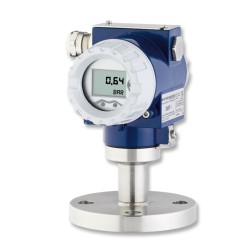
Select Oxygen service measurement products to use in atmosphere which contains high levels of Oxygen or measure gas containing high concentrations of O2
Oxygen Service is a design feature or production process which is offered on some measurement devices which make it possible to measure pure Oxygen or use in environments containing dangerous concentrations of Oxygen.
Oxygen cleaned sensors & instruments have measurement cells that are dry or filled with a halocarbon oil fill, and can be used in areas where there is a risk that the device will be exposed to high levels of pure Oxygen.
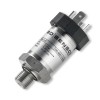 DMK457 Marine Approved Pressure Transmitter - Marine approved pressure transmitter with 4-20mA current loop output for shipbuilding with optional CuNiFe housing for sea-water compatibility
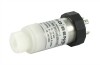 DMK 331 Ceramic Diaphragm Industrial Pressure Transmitter - This pressure transmitter is engineered specifically for demanding industrial applications involving pasty, polluted, or highly aggressive media, as well as low-pressure oxygen applications.
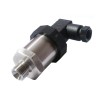 IMP Low Cost Pressure Sensor - Versatile low price pressure sensor with a wide selection of electrical and mechanical options for customisation.
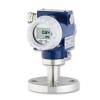 XMPi Process Plant Gauge and Absolute Pressure Transmitter - Process transmitter for measuring vacuum, steam, food, pharmaceutical, oil, gas and other pressure readings necessary for the monitoring and control of bulk production processes.
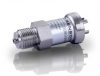 DMP 335 All Welded Stainless Steel Diaphragm Pressure Sensor - All welded stainless steel diaphragm pressure sensor for mobile hydraulics, refrigeration or oxygen applications. This pressure sensor is available in the ranges from 6 bar up to 600 bar gauge with a 4-20mA or 0-10Vdc output signal.
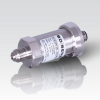 DMP 336 Hydrogen (H2) Gas Compatible Pressure Transmitter - All stainless steel 316L welded wetted parts pressure transmitter for measuring hydrogen gas
- 16 barg range 4-20mA output oxygen pressure sensor for medical gas equipment use
- Oxygen use oil and grease free 400 bar digital pressure gauge
- Oxygen compatible 400 bar digital pressure gauge with 4 to 20 mA output
- Cleaned oil contamination free 200bar absolute range 0-10V out pressure sensor
- Oxygen clean 300 psig range 4-20mA output ceramic diaphragm pressure sensor
- 50 barg oxygen cleaned high temperature 0-5V output pressure sensor
Send us your enquiry to discuss your Oxygen Service application with a product specialist, and they will help you select the best option to suit your specific requirements.
Oxygen service refers to the specialized handling and preparation of measurement instruments intended for use in environments with high oxygen concentrations, including pure oxygen. This is a critical consideration because oxygen, while essential for life, can react violently with many materials, especially hydrocarbons like grease and oil, creating significant fire and explosion hazards.
Selecting the correct instrumentation for oxygen service is paramount for safety and reliable operation. When selecting instrumentation for oxygen service, several key factors must be considered.
Material compatibility
Any component that comes into contact with high concentrations of oxygen must be made from materials that are highly resistant to oxidation. This often means using specialized alloys or polymers.
Grease free
The components of the measurement device which will come into contact with Oxygen gas must be free of hydrocarbons, such as grease or oil, which might ignite when mixed with a high purity O2 gas. This requires specialized cleaning processes, often referred to as “oxygen cleaning,” to remove any traces of grease, oil, or other combustible materials. The level of cleaning is crucial and should align with the specific application requirements, potentially adhering to industry standards like those set by ASTM.
Halocarbon oil fill
If there are any fluid filled components such as a oil fill behind a thin isolation diaphragm, the oil should be of such a type, which will not burn when exposed to an ignition source in an Oxygen environment, e.g. Halocarbon oil.
Oxygen cleaning
The level of cleaning can vary from one measurement device manufacturer to another, and for more stringent requirements it maybe necessary to use a Oxygen cleaning service specialist which has a cleaning process that conforms to the relevant ASTM (American Society for Testing and Materials) standard.
Hazardous area certification
In some applications, the presence of high oxygen concentrations may coincide with a hazardous environment, requiring instrumentation that is certified for use in such areas. These hazardous area approvals, such as intrinsic safety certifications, ensure that the instrument itself does not become an ignition source. Intrinsically safe instruments are designed to limit the electrical and thermal energy in the system, preventing the ignition of flammable gases or vapors. When selecting instrumentation for these combined oxygen service and hazardous area applications, it is crucial to ensure that the instrument carries the appropriate certifications for the specific hazardous zone in which it will be installed. Often, these intrinsically safe instruments are connected via a zener barrier to control and monitoring equipment located in a safe area, further enhancing the safety of the overall system.
Contact us about this Oxygen Service page to request more information, or to discuss your application requirements.