
HVAC pressure sensors are essential for maintaining optimal performance and energy efficiency in heating, ventilation, and air conditioning systems. These sensors monitor air filter status, duct static pressure, and pressure differentials to ensure proper airflow and system operation.
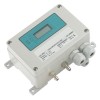 DPS Low Differential Pressure Transmitter - Ultra low differential pressure transmitter for HVAC applications with 4-20mA current loop or amplified voltage output signal in pressure ranges from 0.1 mb up to 1 bar differential.
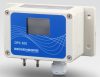 DPS300 User Switchable Pressure Range, Volts or Current Output Low DP Sensor - The DPS 300 is a low range HVAC differential pressure sensor. The lowest possible pressure range is 0...100 pascals. 2 or 3 switchable pressure ranges, plus volts or current output are included with most standard configurations.
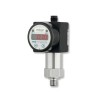 DS210 Combined Low Pressure Switch, Indicator and Sensor - Low range three in one pressure switch, pressure indicator and pressure sensor for use on pneumatics and HVAC applications.
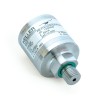 41X Low Range Digital Output Pressure Sensor - Low pressure sensor with a USB, RS232 or RS485 digital output interface for measuring low range gauge or differential pressures from 10 to 300 mbar.
- 41X High Precision Low Range Pressure Transmitter - High precision pressure transmitter for measuring very low vented gauge reference or differential air pressures. Rangeable 4-20mA or 0-10 volt output.
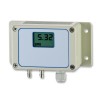 DPS200 HVAC Differential Pressure Transmitter - Differential air pressure sensor with a 10 volt or a 4-20mA output for building ventilation applications. Ranges from 0 to 6 mbar up to 0 to 1000 mbar.
- 400 psi g HVAC/R pressure transducer with 0.5-4.5Vdc ratiometric output
- R22 and R410A refrigerant compatible 400 psi g pressure transmitter
- 20 Pa DP range 0-10V output air pressure sensor for building management use
- HVAC chilled water wireless pressure monitoring in BMS
- Wireless environmental sensors with custom MQTT SCADA system for energy management IoT platform
- Monitoring AHU cooling coil efficiency with a DP transmitter
- Draft Pressure Sensors - Find low-pressure transducers & transmitters (inWC, mbar, Pa) designed for draft measurement in air handling, combustion control, and ventilation applications.
Send us your enquiry to discuss your HVAC Pressure Sensors application with a product specialist, and they will help you select the best option to suit your specific requirements.
HVAC pressure sensors play a critical role in maintaining the efficiency, safety, and comfort of heating, ventilation, and air conditioning systems. These sensors measure pressure differentials within the system to provide valuable insights into system performance and enable automated control.
Product Advantages
HVAC pressure sensors provide key benefits including enhanced energy efficiency, precise environmental control, extended equipment lifespan through preventive monitoring, and improved occupant safety.
Energy Efficiency
By continuously monitoring pressure differentials across filters, ducts, and fans, these sensors enable dynamic adjustment of airflow and fan speeds, significantly reducing unnecessary power consumption.
System Reliability and Preventive Maintenance
Real-time pressure readings alert maintenance teams to clogged filters, duct blockages, or mechanical failures before they cause severe system downtime or equipment damage.
Precise Environmental Control
Accurate static and differential pressure monitoring ensures consistent air distribution and proper building pressurization, maintaining indoor air quality and comfort across all zones.
Product Applications
HVAC pressure sensors are utilized across a wide range of critical building management, industrial, and environmental applications. By offering reliable measurements of static, differential, and absolute pressures, these instruments ensure energy efficiency, regulatory compliance, equipment protection, and precise climate control. Below is an overview of key application areas where pressure sensors play a vital role in optimizing system performance.
Air Filter Monitoring
Differential pressure sensors continuously measure the pressure drop across air filtration media in air handling units (AHUs). As particulate matter, dust, and debris accumulate on the filter element, airflow resistance increases, resulting in a higher differential pressure reading. Monitoring this differential provides a clear, quantitative indication of filter loading, allowing facility managers to schedule filter maintenance and replacements based on actual condition rather than fixed time intervals. This condition-based approach prevents premature filter disposal, avoids excessive energy consumption caused by overloaded fan motors pushing air through clogged filters, and safeguards downstream components from contamination.
Duct Static Pressure Measurement
Accurate measurement of duct static pressure is fundamental to the operating efficiency of variable air volume (VAV) distribution systems. Pressure sensors positioned strategically within ductwork supply live pressure feedback to the building management system (BMS). The BMS uses this data to modulate supply fan variable frequency drives (VFDs) and actuate motorized dampers, delivering the exact volume of conditioned air needed across various zones. Maintaining stable duct static pressure prevents noisy airflow, eliminates ductwork stress caused by over-pressurization, and avoids system starvation, ensuring consistent thermal comfort throughout the entire facility.
Fume Hood Monitoring
In laboratory, pharmaceutical, and industrial research environments, fume hoods serve as critical safety containment barriers against hazardous gases, vapors, and airborne chemicals. Low differential pressure sensors monitor the face velocity and airflow containment by measuring subtle pressure differences between the interior of the fume hood and the surrounding room atmosphere. Fast-response pressure transmitters ensure that safe exhaust velocities are continuously maintained regardless of sash height adjustments, triggering audible and visual alarms immediately if airflow drops below safe containment thresholds.
Building Pressurization Control
Regulating building envelope pressure relative to external atmospheric pressure is vital for preventing draft conditions, moisture infiltration, and entry of ambient pollutants. Highly sensitive differential pressure sensors reference indoor indoor static pressure against outdoor barometric pressure. By supplying accurate low-range measurement signals to automated ventilation controls, these sensors enable precise balancing of fresh air intake and relief air exhaust. Maintaining slight positive pressure in commercial buildings prevents humid or dirty outside air from entering through doorways and structural crevices, protecting indoor air quality and structural integrity.
Fan and Blower Control
Direct monitoring of fan and blower performance using differential pressure sensors provides essential diagnostic feedback for HVAC air handlers. By measuring total dynamic pressure across fans, control systems can verify actual air movement, modulate rotational speeds to meet changing load demands, and detect operational anomalies such as belt slippage, mechanical wear, or complete drive failure. Proactive monitoring helps optimize fan power draw, lowers energy demand charges, and avoids mechanical damage through rapid automated shutdown when fault conditions are identified.
Refrigerant Pressure Monitoring
High-pressure transducers installed on liquid, suction, and discharge lines in refrigeration circuits provide continuous telemetry on system operating pressures. These rugged sensors monitor suction and discharge conditions to assist digital controllers in optimizing compressor staging, expansion valve positioning, and condenser fan speed control. Continuous refrigerant pressure monitoring ensures heat exchangers operate at peak thermodynamic efficiency, protects compressors against liquid slugging or over-pressurization, and assists in detecting slow refrigerant leaks early to support environmental compliance.
Differential Pressure Flow Measurement
In air distribution systems and hydronic heating or cooling loops, differential pressure transmitters are combined with primary flow elements—such as Pitot tube arrays, orifice plates, or venturi tubes—to derive precise volumetric flow rates. Applying Bernoulli’s principle, the sensor measures the differential pressure drop across the flow constriction, allowing the BMS to calculate real-time fluid or air velocity. This approach provides reliable flow data for Variable Air Volume (VAV) terminal units, chilled water plant monitoring, and sub-metering applications critical for energy accounting.
Cleanroom Pressure Control
In specialized environments such as semiconductor fabrication, pharmaceutical compounding, and healthcare isolation rooms, maintaining accurate pressure cascades between adjacent areas is mandatory. High-accuracy, low-differential pressure sensors monitor the subtle pressure differences across cleanroom boundaries to maintain precise room-to-room pressure steps. This controlled pressure hierarchy guarantees that air flows consistently from cleaner zones toward less clean areas, effectively preventing cross-contamination, protecting sterile processes, and satisfying stringent regulatory standards.
Product Selection
Selecting the optimal HVAC pressure sensor requires careful evaluation of key parameters including pressure measurement type, range, accuracy, output signal, and environmental conditions. Understanding these technical criteria ensures proper integration with building automation systems and long-term operating reliability.
Pressure Type and Measurement Range
Identify whether your application demands differential, static (gauge), or absolute pressure measurement. Select a pressure range that closely covers the expected operating conditions to maximize measurement resolution, while ensuring sufficient overpressure capability to withstand potential system surges.
Output Signal and System Interface
Ensure compatibility with your Building Management System (BMS) or controller interface. Common options include standard analog outputs such as 4-20mA current loops or 0-10V voltage signals, as well as digital communication protocols like Modbus RTU or BACnet for direct field network integration.
Accuracy and Thermal Performance
Determine the required accuracy specification, taking into account non-linearity, hysteresis, and repeatability. In low-pressure HVAC environments, active temperature compensation is critical to prevent thermal zero and span drifts across varying duct or ambient temperature ranges.
Media Compatibility and Environmental Protection
Verify that wetted materials are chemically compatible with the measured media—such as dry air, non-corrosive gases, or refrigerants. For outdoor or harsh industrial installations, select enclosures with appropriate IP or NEMA ratings to protect internal electronics against moisture and dust ingress.