
Our battery-powered pressure gauges offer extended operation and are designed for continuous, reliable pressure monitoring in remote and industrial applications.
Our range of battery-powered pressure gauges is specifically designed for long-term, continuous pressure monitoring in applications where access to mains power is limited or unavailable. These gauges feature low-power consumption electronics, user-adjustable power management settings, and utilize readily available standard batteries for easy replacement, ensuring extended operational life and minimal maintenance in remote and demanding industrial environments.
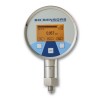 DM01 Multi-Range High Accuracy Pressure Gauge - High precision digital pressure gauge with 0.1% full scale accuracy, exchangeable pressure range modules from 100 mbar (1.5 psi) up to 400 bar (6000 psi).
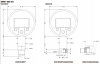 DM01-500-HD High Range Digital Pressure Gauge - The DM01-500 HD high range pressure gauge is available in pressure ranges from 0 to 600, 1000, 1600, 2000 & 2200 bar.
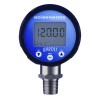 Baroli 02 Precision Digital Pressure Gauge - Precision digital pressure gauge with ranges from 100 mbar (1.5 psi) up to 600 bar (9000 psi) for measuring to an accuracy of 0.25% FS BSL.
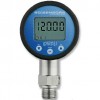 Baroli 02P Low Range Flush Diaphragm Digital Pressure Gauge - All stainless steel 316L hygienic digital display pressure gauge for measuring low range pressures with ranges from 0-100 mbar up to 0-40 bar.
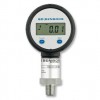 DM10 Low Cost Battery Powered Pressure Gauge - Low price digital pressure gauge with an accuracy of 0.5% pressure range for general purpose industrial measurements.
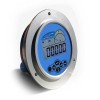 ADT681 Digital Pressure Gauge - The ADT681 digital pressure gauge family covers a wide range of pressures from as low as 1 inH20 differential to as high as 36,000 psi gauge.
- 760mmHg absolute range digital vacuum gauge
- 3000 pascal range data-logging manometer for use on air handling systems
- Monitoring viscous gel filtration with a flush diaphragm data-logging pressure gauge
- Water filter pressure decay testing with precision leakage detection
- High-precision pressure reference for medical equipment Gage R&R
- 100 mbar g low range air pressure gauge and logger with G1/4 male fitting
Send us your enquiry to discuss your Battery Powered Pressure Gauges application with a product specialist, and they will help you select the best option to suit your specific requirements.
These battery-powered pressure gauges are engineered for applications where continuous pressure monitoring is required over extended durations, and without the need for frequent battery replacement. The focus is on maximizing operational time between battery changes, which is critical in remote or difficult-to-access installations.
A key feature of these gauges is their low power consumption design. This often involves the use of specialized microcontrollers and display technologies that minimize energy draw while still providing clear and accurate readings.
Many battery-powered pressure gauges incorporate user-configurable power management features. These go beyond a simple auto-off timer and might include adjustable display update rates or selectable sleep modes. For example, a gauge in a monitoring application on a seasonally used pipeline might be set to take readings less frequently during periods of inactivity, drastically extending battery life.
The battery replacement aspect is also a deliberate design consideration. These gauges typically utilize readily available, standard battery types (e.g., AA, AAA, or CR series lithium batteries). This ensures that replacements can be easily sourced from common electrical or industrial component suppliers, minimizing downtime. The battery compartment is designed for easy access, often without requiring specialized tools.
Specifically designed for use cases in remote locations, where mains power is unavailable. Applications include monitoring of pressures of fluids and gases on, mobile test equipment, remote pumping stations, portable hydraulic and pneumatic test sets and systems.
Product Advantages
Battery-powered pressure gauges for continuous monitoring provide exceptional long-term reliability and operational efficiency. By leveraging ultra-low power architecture, user-configurable power management, and standard easily replaceable batteries, these devices minimize maintenance overhead and downtime in critical industrial and remote monitoring applications.
Extended Operational Life
Designed with energy-efficient microcontrollers and optimized electronic components, these gauges ensure continuous monitoring over long periods without frequent power interruptions or maintenance.
Configurable Power Management
User-adjustable settings such as display update rates and sleep modes allow operators to optimize energy consumption based on application needs, dramatically extending battery longevity.
Convenient Maintenance & Standard Batteries
Utilizing standard, off-the-shelf battery types (such as AA, AAA, or CR series) ensures hassle-free field replacements, reducing overall maintenance costs and operational downtime.
Ideal for Remote & Off-Grid Applications
Without the requirement for fixed mains electrical infrastructure, these gauges provide reliable, uninterrupted continuous pressure measurements in remote installations, mobile test equipment, and field systems.
Product Applications
Battery-powered pressure gauges for continuous monitoring are widely used across diverse industrial applications where fixed power supplies are unavailable, impractical, or cost-prohibitive to install. Their ultra-low-power consumption electronics, configurable energy management features, and long battery life make them ideal for deployment in remote, mobile, and challenging field environments where reliable performance is critical.
Remote Installations & Off-Grid Monitoring
In remote installations without access to fixed mains electrical power infrastructure, such as distant pipelines, off-grid processing facilities, and isolated pumping stations, these gauges provide dependable, continuous pressure measurement over extended operational durations without requiring frequent maintenance interventions.
Mobile & Portable Test Systems
These instruments are exceptionally well-suited for integration into mobile test equipment, field service kits, and portable hydraulic or pneumatic test sets. Their self-powered design enables technicians to conduct flexible, high-accuracy on-site testing, troubleshooting, and system verification without reliance on external electrical outlets or temporary wiring setups.
Fluid & Gas Pressure Monitoring
Engineered specifically for long-term monitoring operations, these gauges continuously measure and record fluid and gas pressures across a wide variety of industrial processes. By maintaining continuous data integrity while minimizing battery consumption, they reduce routine field visits and significantly lower overall operational downtime.
Oil & Gas Pipelines & Wellhead Monitoring
In upstream and midstream operations, battery-powered gauges monitor pressures across remote wellheads, storage tanks, and transmission pipelines. They provide real-time pressure monitoring to detect blockages or leaks early without requiring site power infrastructure.
Water Supply & Filtration Systems
Essential for municipal water networks and treatment facilities, these gauges monitor inlet/outlet pressures and detect filter saturation or pump malfunctions. Their independent power source ensures uninterrupted measurement even during utility power outages.
HVAC & Refrigeration Systems
Used by field technicians to verify gas pressure in boilers and monitor refrigerant lines in cooling units. Portable, battery-operated digital displays allow for quick verification and troubleshooting in hard-to-reach mechanical rooms.
Hydraulic & Pneumatic Machinery
Integrated into factory air compressors, FRL units, and heavy hydraulic systems to ensure stable pressure delivery. Digital filtering provides steady, accurate readings even on machinery subject to vibration.
Leak & Pressure Decay Testing
With high accuracy and measurement stability, battery-powered gauges are widely deployed for hydrostatic testing and pressure decay leak detection on newly installed pipework, vessels, and valves.
Product Selection
Selecting the right battery-powered pressure gauge for continuous long-term monitoring involves evaluating key technical criteria to ensure accuracy, durability, and operational efficiency. Key factors to consider include the pressure measurement range, required accuracy class, process connection type, wetted material media compatibility, and available power management options.
Pressure Range & Measurement Type
Choose a gauge with an appropriate pressure range (gauge, absolute, or differential) that encompasses expected system pressures. For optimal accuracy and to accommodate transient spikes, select a full-scale range where normal operating pressures fall around 60% to 80% of the total capacity.
Accuracy & Measurement Precision
Select the accuracy class based on the criticality of your monitoring application. Standard industrial applications generally require 0.25% to 0.5% full-scale accuracy, whereas high-precision testing or reference calibration tasks demand precision levels of 0.1% FS or higher.
Process Connection & Mounting
Ensure thread compatibility with existing pipework and pressure ports, such as BSP, NPT, or metric threads. For viscous, hygienic, or sanitary applications, flush diaphragm or tri-clamp connections are essential to prevent media buildup and facilitate easy cleaning.
Media Compatibility & Wetted Materials
Verify that all wetted parts—such as 316L stainless steel or specialized anti-corrosion alloys—are chemically compatible with the measured liquid or gas to prevent sensor degradation and ensure operational safety.
Power Management & Battery Life
Look for configurable power-saving features such as adjustable sampling/display update rates, auto-sleep modes, and low-power microcontrollers to maximize operational life in remote installations. Ensure the device uses standard, easily accessible off-the-shelf battery types (e.g., AA, AAA, CR series) for simple field replacement.
Product Installation
Proper installation of battery-powered pressure gauges for continuous monitoring is essential to ensure long-term measurement accuracy, maximize battery life, and maintain system integrity. Key considerations include selecting an optimal mounting location, applying proper process connection seal techniques, configuring power management settings prior to deployment, and observing safe battery handling practices.
Mounting Location & Environmental Protection
Install the gauge in a location easily accessible for routine readings and battery replacement. Ensure the environmental conditions remain within the specified operating temperature range, and protect the enclosure from direct weather exposure, extreme vibration, or corrosive atmospheres where necessary.
Process Connection & Sealing
Thread the process connection onto the mating port using the appropriate thread sealant or sealing washer compatible with the process media. Use a wrench on the designated spanner flats of the process fitting rather than applying torque directly to the gauge display body to avoid damaging internal electronics.
Initial Power & Configuration Setup
Before commissioning, insert fresh batteries observing correct polarity and ensure the battery compartment seal is properly seated to maintain the IP protection rating. Set the desired sampling rate, auto-sleep modes, and measurement units via the front keypad to balance display responsiveness with maximum battery longevity.
Zero-Point Calibration & Commissioning
With the gauge installed and vented to atmospheric pressure, perform a zero-point adjustment if supported, to account for mounting orientation or local atmospheric offset. Once zeroed, slowly pressurize the system and check all connection points for leakage before leaving the device in continuous monitoring mode.
Product Troubleshooting
Troubleshooting battery-powered pressure gauges requires a systematic approach to identify and resolve common field issues. Following proper diagnostic procedures ensures reliable pressure readings, prevents unnecessary downtime, and helps maintain continuous monitoring performance across industrial and remote applications.
Diagnosing Power & Battery Issues
If the unit fails to power on or powers down unexpectedly, verify that the battery level is sufficient and check for proper battery orientation. Ensure battery contact terminals are clean and free from oxidation or corrosion, and verify that user-configurable sleep or auto-off settings have not timed out the display during routine operation.
Resolving Display & Reading Errors
Erroneous or erratic pressure readings often result from trapped air, mechanical stress, or electrical noise. Check that the process connection is properly torqued without applying force to the gauge housing, verify selected measurement units match system specifications, and inspect the display for error codes indicating overpressure or sensor fault conditions.
Addressing Zero-Point Drift
Zero-point offsets can occur due to changes in ambient temperature, altitude, or mounting orientation. Vent the gauge to atmospheric pressure and perform a zero calibration reset via the front interface. If the offset persists after zeroing, inspect the sensor diaphragm for physical damage, media buildup, or mechanical blockage.
Checking Battery Connections & Enclosure Seals
Intermittent power loss or moisture ingress can severely impact gauge functionality. Ensure the battery compartment O-ring seal is correctly seated, intact, and free of debris after every battery replacement to preserve the IP ingress protection rating and protect internal circuitry from environmental exposure.