
Optimize your pneumatic systems with our precise and reliable air pressure calibrators, hand pumps, and test gauges. These tools are designed for accurate pressure generation and measurement, ensuring the performance and safety of your pneumatic equipment while minimizing contamination risks.
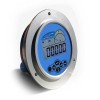 ADT681 Digital Pressure Gauge - The ADT681 digital pressure gauge family covers a wide range of pressures from as low as 1 inH20 differential to as high as 36,000 psi gauge.
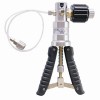 PGS40 Mid Pressure Calibration Hand Pump - PGS40 pneumatic hand pump for applying test and calibration pressures with precision from -0.96 up to 40 bar gauge.
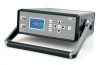 DPC Low Range Pressure Controller and Calibrator - The DPC low range pressure controller calibrator measures and generates low range pressures over 1, 10, 100 or 1000 mbar, and can be used as a pressure measurement device or as a test and calibration device for pressure sensors and pressure switches.
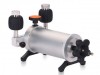 +/- 6 psi / 0.4 bar Low Pressure Calibration Pump – ADT901 - The ADT901 low pressure calibration pump is a hand operated pressure pump designed to generate pressures over +/-6 psi (+/-0.4 bar)
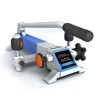 140 bar / 2,000 psi Hand Operated Air Pressure Test Pump – ADT919A - Generate air pressure up to 140 bar / 2,000 psi one handed.
 200bar/3000psi Hand Operated High Air Pressure Test Pump – ADT920 - Manually generate air pressures up to 200 bar / 3000 psi for pressure testing and calibrating pressure measurement equipment.
- 150 psi pressure tester for calibrating air pressure gauges
- 30 bar intrinsically safe pressure calibration kit
- 40 bar / 600 psi calibration hand pump and digital test gauge
- Calibration kit for calibrating 22 psi air pressure gauges
- Calibrator for 10 mH2O range liquid level instrumentation
- Hand operated 500 psi air pressure calibration kit with NPT test fittings
Send us your enquiry to discuss your Air Pressure Calibrators application with a product specialist, and they will help you select the best option to suit your specific requirements.
Pneumatic systems play a vital role in countless industrial processes, powering machinery, controlling actuators, and ensuring safe operation. Accurate pressure calibration is fundamental to the reliability and efficiency of these systems. Utilizing air as the calibration medium offers significant advantages, especially in applications where contamination is a concern.
Maintaining accuracy in pressure measurement is critical in many industrial and research applications. Pneumatic pressure calibrators, hand pumps, and test gauges are essential tools for ensuring the reliability of your pressure instrumentation. Whether you’re working on a process plant floor or in a calibration workshop, these devices offer the means to generate precise pressures and verify the performance of your pressure sensors and gauges.
Product Advantages
Using air pressure calibrators offers key operational advantages across industrial settings. By utilizing air as the test medium, facilities benefit from exceptional cleanliness, enhanced workplace safety, high operational efficiency, and broad versatility across various pressure ranges.
Cleanliness
Air is a clean, non-contaminating, and readily available calibration medium, significantly reducing the risk of introducing impurities into the unit under test or the surrounding process line. This pristine environment is essential in contamination-sensitive industries such as food and beverage production, pharmaceutical manufacturing, medical device assembly, and semiconductor fabrication, where even minute oil or particulate residues can compromise batch quality, ruin product lines, or cause costly damage to delicate instrumentation.
Safety
Compared to traditional hydraulic calibration fluids and synthetic oils, compressed air presents minimal safety hazards to operators and facilities alike. Air is inherently non-flammable, non-toxic, and environmentally benign, eliminating the dangers of hazardous chemical exposure, toxic fumes, or high-pressure fluid leaks. Furthermore, avoiding fluid-based systems prevents slick floor spills, creating a safer overall workplace while simplifying environmental compliance and cleanup procedures.
Efficiency
Modern air pressure calibration equipment is designed for maximum portability and ease of use, featuring lightweight, ergonomic hand pumps and digital controllers. This enables field technicians to perform fast, accurate, and repeatable testing directly on-site or in the workshop without complex setup times or tedious fluid cleaning procedures, drastically minimizing system downtime and boosting overall maintenance workflow efficiency.
Versatility
Air pressure calibration instruments accommodate an extraordinarily wide span of operational demands, ranging from ultra-low draft pressure pneumatic controls to high-pressure industrial systems reaching thousands of psi. Their flexibility allows facilities to calibrate diverse instruments—including pressure transmitters, switches, analog gauges, and digital sensors—using a single, unified pneumatic testing setup.
Product Applications
Air pressure calibrators are essential across a wide spectrum of industries for verifying, testing, and maintaining critical pressure instrumentation. Key applications include process plant maintenance, cleanroom and HVAC monitoring, laboratory calibration, leak testing, and field calibration of pressure switches and transmitters.
Process Plant Maintenance
In industrial process manufacturing, air pressure calibrators ensure that pressure transmitters, controllers, and analog or digital gauges maintain precise operation. Routine calibration prevents process drift, optimizes system performance, and minimizes unexpected downtime across complex pneumatic networks.
Cleanroom & HVAC Monitoring
Ultra-low range pneumatic calibrators are vital for calibrating sensitive differential pressure sensors and draft gauges used in cleanrooms, pharmaceutical facilities, and advanced HVAC systems. Maintaining precise pressure differentials prevents air contamination and ensures strict regulatory compliance.
Laboratory & Quality Control Calibration
Calibration laboratories and quality assurance departments rely on high-accuracy pneumatic calibrators and reference gauges to verify manufactured pressure instruments. These tools provide traceable measurements required to uphold quality management standards and customer specifications.
Leak & Pressure Switch Testing
Pneumatic test pumps equipped with fine-adjustment controls allow technicians to test pressure switch setpoints and perform leak decay testing on valves, pipework, and sealed enclosures. Precise pressure generation helps identify minute leaks and ensures safety-critical switching mechanisms trip reliably.
Field Calibration & Inspection
Lightweight, portable hand pumps and digital calibrators enable service technicians to conduct complete on-site instrument verifications in rugged field environments. This eliminates the need to remove sensors from service lines, speeding up maintenance routines and reducing operational delays.
Product Selection
Selecting the right pressure calibration equipment requires matching instrument capabilities to your specific application. Key considerations include required pressure range, accuracy, media compatibility, portability, and necessary automation or communication interfaces.
Pressure Range and Type
The pressure range and measurement type (gauge, absolute, or differential) of the instruments being calibrated must be carefully matched to the calibrator’s operational capabilities.
Accuracy and Stability
Consider the required accuracy and stability of the calibration standard based on the criticality of the pressure measurement within your process. Standard guidance recommends aiming for a 10 to 1 accuracy ratio between the calibrator and the device under test whenever possible.
Portability and Environment
Determine whether your application requires a benchtop calibrator for a controlled laboratory environment or a portable, ruggedized unit for field calibrations in challenging operational conditions.
Media Compatibility
Ensure media compatibility between the calibrator and your process. Verify whether the equipment will be used with gases or liquids, and identify any hazardous or corrosive media that require specialized materials and seals.
Automation and Interfaces
Automation features such as data logging and automated routines improve calibration efficiency and reduce human error, while digital communication interfaces (e.g., HART, Fieldbus, USB) enable seamless integration with calibration management software and control systems.