
In industries where explosive atmospheres are a constant threat, flameproof pressure transmitters with Ex d certification offer a critical layer of safety. These specialized devices are designed to contain any internal explosions within their robust enclosures, preventing the ignition of surrounding flammable gases or dusts. With a 4-20mA output signal for seamless integration into control systems, Ex d certified flameproof pressure transmitters ensure reliable pressure monitoring in even the most challenging environments.
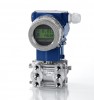 DPT200 High One Side Overload Differential Pressure Sensor - DP transmitter for measuring pressure difference between two pressure points which can tolerate up a very high overload pressure independently on either the positive or negative side port or both together at the same time.
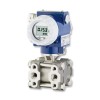 XMD Process Plant DP Cell Differential Pressure Transmitter - Rangeable DP Cell current loop process transmitter for monitoring differential pressures in a heavy duty process plant environment.
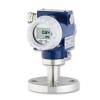 XMPi Process Plant Gauge and Absolute Pressure Transmitter - Process transmitter for measuring vacuum, steam, food, pharmaceutical, oil, gas and other pressure readings necessary for the monitoring and control of bulk production processes.
Send us your enquiry to discuss your Flameproof Pressure Transmitters application with a product specialist, and they will help you select the best option to suit your specific requirements.
In hazardous areas where the presence of flammable gases or dusts creates a risk of explosion, conventional pressure transmitters can inadvertently become ignition sources. A simple spark or hot surface generated within the device could trigger a catastrophic event. This is where flameproof pressure transmitters, specifically those with Ex d certification, prove their worth. They are engineered to withstand internal explosions, ensuring that any potential ignition remains safely confined within their robust construction.
Product Advantages
The Ex d certification is a globally recognized standard for equipment used in explosive atmospheres. It signifies that a device has undergone rigorous testing and adheres to stringent safety requirements. For flameproof pressure transmitters, Ex d certification guarantees:
Containment
The primary principle of Ex d protection is the ability of the transmitter enclosure to contain an internal explosion. The housing is typically constructed from high-grade stainless steel or aluminum with sufficient wall thickness to withstand the peak internal pressure generated during a combustion event. This prevents the mechanical failure of the device and ensures that the structural integrity remains intact, effectively isolating the ignition source from the external hazardous atmosphere.
Cooling
Ex d enclosures are designed with precision-engineered flame paths, gaps between mating surfaces like threaded joints or flanged covers. These paths are sufficiently long and narrow to ensure that as hot gases from an internal explosion escape, they lose thermal energy through contact with the enclosure walls. By the time the gases reach the outside, they have been cooled to a temperature well below the auto-ignition temperature (AIT) of the surrounding flammable gas or dust, preventing external ignition.
Robustness
Beyond simple containment, the overall robustness of an Ex d certified transmitter involves resistance to environmental stressors that could compromise safety over time. This includes corrosion resistance for offshore or chemical environments, high impact resistance to prevent enclosure breaching from external mechanical shocks, and stringent sealing (often IP66 or higher) to prevent the ingress of moisture or dust which could degrade internal components and increase the risk of an internal fault.
Product Applications
Ex d certified flameproof pressure transmitters are vital across high-risk industries, providing a critical layer of safety by containing internal explosions and preventing the ignition of hazardous atmospheres. These devices are essential for continuous pressure monitoring in environments where flammable gases, vapors, or dusts are present, ensuring both operational efficiency and the protection of personnel and infrastructure.
Oil & Gas
In the oil and gas industry, from offshore drilling platforms to land-based refineries, Ex d certified transmitters are indispensable. They monitor critical pressures in pipelines, high-pressure separator vessels, and complex process equipment. Given the constant presence of volatile hydrocarbons, these transmitters ensure that even if an internal electrical fault occurs, the resulting spark cannot ignite the surrounding explosive gases, thereby preventing catastrophic fires and protecting multi-billion dollar assets.
Chemical Processing
Chemical processing plants often deal with highly reactive and flammable reagents within reactors, distillation columns, and bulk storage tanks. Accurate pressure measurement is vital for maintaining reaction stability and prevent runaway conditions. Flameproof pressure transmitters provide the necessary assurance that the instrumentation itself will not become a source of ignition in areas where chemical leaks or vapors might create a hazardous zone, maintaining the integrity of the process and the safety of the facility.
Pharmaceuticals
The pharmaceutical industry utilizes various volatile organic solvents and produces fine combustible dusts during the manufacturing of active ingredients. Monitoring the pressure in centrifuges, dryers, and mixing vessels is essential for quality control and safety. Ex d certified transmitters are used to mitigate the risk of dust explosions or solvent vapor ignition, ensuring that the sterile and highly controlled environments required for medicine production remain safe from accidental combustion events.
Power Generation
In power generation facilities, particularly those fueled by natural gas or containing coal dust, maintaining safe operating pressures in boilers, turbines, and fuel delivery systems is a top priority. Flameproof pressure transmitters are used in these high-risk areas to provide reliable data to control systems. Their robust construction and Ex d certification ensure that the instrumentation can operate safely in the proximity of combustible fuel sources, helping to prevent structural failures and ensuring a continuous supply of energy.
Product Selection
Selecting the correct flameproof pressure transmitter is vital for ensuring both safety and optimal performance in hazardous industrial environments. The following factors should be carefully evaluated to match the device to the specific requirements of the application, ensuring long-term reliability and compliance with safety standards.
Hazardous Area Classification
The installation environment dictates the necessary protection level for the equipment. You must verify the specific Zone (e.g., Zone 1 or Zone 2) and Gas Group requirements of your facility. Using a transmitter that meets or exceeds the classification for your hazardous area ensures that the device is adequately protected against the explosive atmospheres present, preventing the transmitter from becoming a potential ignition source.
Pressure Range and Measurement Accuracy
The transmitter must be selected based on the expected operating pressure of the process, ensuring it can accurately measure the full range of pressures encountered. It is essential to consider the upper and lower limits of the process pressure to avoid over-ranging, which could damage the sensor. Furthermore, the required level of accuracy is critical; applications requiring precise control may necessitate higher-precision sensors to ensure reliable data for downstream process automation.
Process Connection and Material Compatibility
Ensuring the device is compatible with the process media is fundamental for longevity and safety. You must select appropriate materials for the wetted parts, the parts of the transmitter that come into contact with the fluid or gas, based on chemical compatibility, corrosion resistance, and temperature profiles. Additionally, the process connection type and size must match the existing infrastructure to ensure a leak-proof installation, which is crucial for maintaining the integrity of the containment system.
Additional Features and Functionality
Beyond basic measurement, modern transmitters offer various features that can significantly enhance operational efficiency. Options such as HART protocol compatibility facilitate easier communication and configuration, while remote calibration capabilities allow for adjustments without exposing personnel to hazardous areas. Advanced diagnostic features can also monitor the health of the transmitter, providing predictive maintenance alerts that help prevent unexpected downtime and ensure continuous, safe operation.