
Marine certified 4-20mA pressure transmitters are essential for monitoring critical systems on ships. These specialized instruments, approved by classification societies like Lloyd’s Register and DNV, ensure reliable pressure measurement in demanding marine environments. This page explores the features, benefits, and applications of these vital components in maintaining vessel safety and performance.
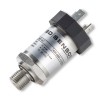 -10…30 kPa g compound range inert gas pressure transmitter for ship IG system - An intrinsically safe, marine approved compound range pressure transmitter for ship cargo tank IG system use to measure pressure of inert gas over a range of -10 to 30 kPa g from the G1/2 male process connection, and sending the corresponding 4-20mA signal through the DIN plug electrical connection.
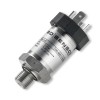 Lube oil pressure sensor for use on ship engines to measure up to 10 bar - Marine approved pressure sensor for use on lube oil up to 10 bar with a maximum media temperature of 125°C and environment temperature of 85°C.
- DMK457 Marine Approved Pressure Transmitter
- DMP457 Marine Approved Pressure Transmitter
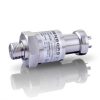 DMK 458 Seawater Low Range Pressure Transmitter
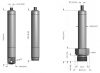 LMK 487 Submersible Ballast Tank and Draught Level Pressure Transmitter
- 2 bar g sea water pressure transmitter for marine engine cooling system - 4-20mA (2 wire) transmitter for monitoring sea water pressure up to 2 bar gauge on the cooling system of a marine diesel engine.
- Monitoring high-pressure seawater pumps on merchant vessels with submersible pressure transmitters - Monitoring high-pressure seawater pump performance in marine washing systems. Submersible, corrosion-resistant pressure transmitters provide reliable measurements for both inlet and outlet pressures.
- Marine air lubrication system submersible seawater resistant air pressure transmitter - Measuring gauge air pressure inside a pipe near an underwater air injector for a ship's drag reduction system. Marine grade pressure sensors provide essential accuracy and seawater resistance for reliable component testing and performance tuning at depths down to 10 meters.
- Marine approved atmospheric pressure sensor - Marine-approved pressure sensor for atmospheric pressure measurement on ships. 4-20mA output, 800-1200mbar range.
- Ship lubrication oil pump pressure transmitter with DNV/GL marine approval certificate - DNV/GL certified DMK457 pressure transmitter for reliable monitoring of ship lubrication oil pumps. 0 to 6 bar range, and 4-20mA output.
- Marine Approved Pressure Transmitters - Marine approved pressure transmitters with 4-20mA output for critical ship management systems including engines, cargo tanks, ballast control, and fuel gauging. ATEX options available.
Find out more about Ship Use Certified Pressure Transmitters to determine which product options and capabilities will best meet your application requirements.
Pressure transmitters are crucial components in various shipboard systems, providing accurate pressure measurements for liquids, vapors, and gases. To ensure the safety and reliability of these systems, especially in harsh marine environments, pressure transmitters must meet stringent requirements and undergo rigorous certification processes.
Marine Classification Societies and Approvals
Marine classification societies play a vital role in ensuring the safety of ships and marine structures. These independent organizations establish and maintain technical standards for the design, construction, and operation of vessels. Some of the leading classification societies include:
- Lloyd’s Register (LR)
- Germanischer Lloyd (GL)
- Det Norske Veritas (DNV)
- American Bureau of Shipping (ABS)
- China Classification Society (CCS)
When selecting pressure transmitters for marine applications, it is essential to choose devices that have been certified by the same classification society that audited and registered the vessel. This ensures compatibility and compliance with the specific standards and regulations applicable to the ship.
4-20mA Current Loop Output
Pressure transmitters for marine use typically employ a 4-20mA current loop output signal. This widely accepted standard in industrial automation offers several advantages in marine environments, including:
- Immunity to Noise: The 4-20mA current loop signal is less susceptible to electrical noise and interference, which is prevalent in shipboard environments due to the presence of various electrical and electronic equipment.
- Long Distance Transmission: The current loop allows for reliable signal transmission over long distances without significant signal degradation, making it suitable for large vessels.
- Fault Detection: The 4mA minimum current provides a “live zero” indication, enabling easy detection of sensor or wiring faults.
Applications
Pressure transmitters are used in a wide range of shipboard applications, including:
- Engine Room Monitoring: Monitoring lube oil pressure, fuel oil pressure, and cooling water pressure in the main engine and auxiliary machinery.
- Cargo Monitoring: Measuring the pressure of liquid or gaseous cargo in tanks to ensure safe loading and unloading operations.
- Ballast Systems: Monitoring ballast tank pressures for proper vessel stability and trim control.
- HVAC Systems: Controlling the pressure of air conditioning and ventilation systems for optimal passenger and crew comfort.
- Firefighting Systems: Monitoring water pressure in fire suppression systems to ensure their readiness in emergencies.